Skip to content
Can You 3D Print Metal? Learn All About Metal 3D Printing Technologies, Materials, And Applications In Our Comprehensive Guide To This Innovative Manufacturing Process.

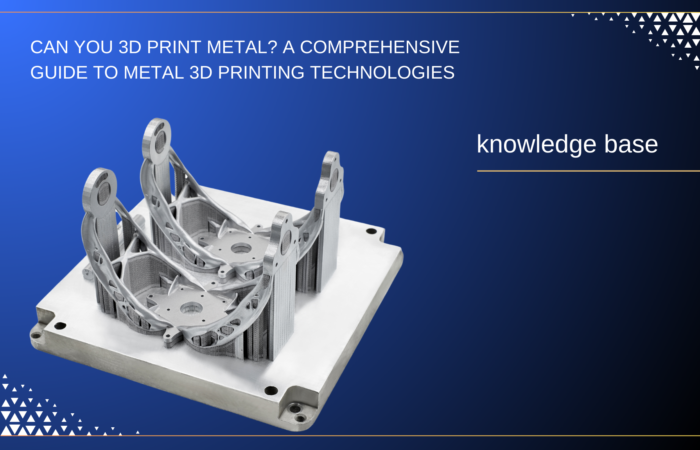
Can You 3D Print Metal? A Comprehensive Guide to Metal 3D Printing Technologies
Education
1. Guide to Understanding SLA (Stereolithography) 3D printing
2. What Is SLA 3D Printing? A Guide to Stereolithography
3. How to Line Up 3D Printed Parts: Techniques for Perfect Assembly
4. Can You 3D Print Metal? A Comprehensive Guide to Metal 3D Printing Technologies
5. The Role of Metal Additive Manufacturing in Accelerating R&D and Innovation
6. Can You Glue ABS to PVC? Tips and Best Practices for a Strong Bond
7. 5 Ways Atomization Boosts US Metal AM Quality
8. Understanding Particle Size Distribution: Methods, Applications, and Microtrac Solutions
9. What Are 3D Printing Joints? A Beginner’s Guide to Connecting 3D-Printed Parts
10. Everything You Need To Know About Food-Safe 3D Printer Filament
11. How to Get the Best Results with Transparent Filament for 3D Printing

3D printing is transforming how industries approach design and production. It’s not just for prototyping anymore—it’s a game-changer for creating functional parts, boosting efficiency, and driving innovation.

Can You 3D Print Metal?

The short answer: yes, you can. And it’s revolutionizing industries. Whether you’re in aerospace, automotive, healthcare, or product development, metal 3D printing is changing the game.

Why is it so powerful? It allows for creating complex, custom parts with less waste and faster turnaround times than traditional methods. No longer do you need to rely on expensive molds or long production runs.

At Additive Plus, we help businesses make the leap into metal 3D printing—offering expert advice, top-tier 3D printers, and a wide variety of 3D printing materials. If you’re looking to push the boundaries of design or streamline production, you’re in the right place. Let’s dive into the details.

What Is Metal 3D Printing?

Metal 3D printing, also known as additive manufacturing, is the process of creating metal objects layer by layer using digital designs. Instead of carving away material, it builds up precise shapes from the ground up. This allows for the production of intricate geometries that were once impossible or too costly with traditional methods.

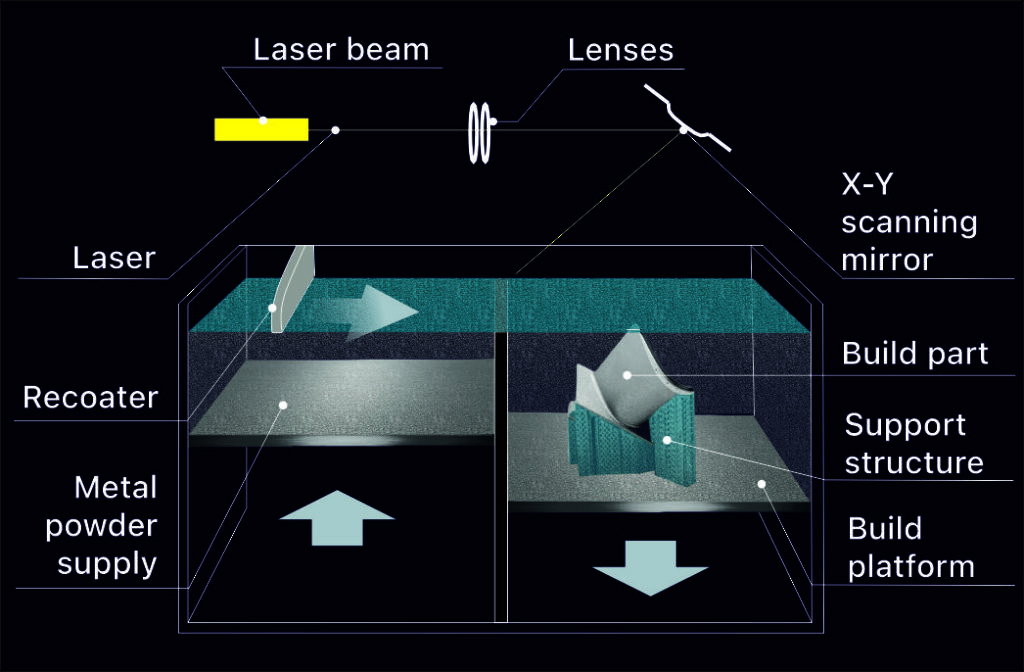
This process begins with a 3D model, which gets sliced into thin layers. Each layer is then printed using various metal materials, fused together by heat or laser.

The result? Parts with complex designs, reduced waste, and minimal production time.

Types Of Metal 3D Printing Technologies

There are several types of metal 3D printing technologies, each with its own strengths and applications. 

Let’s take a look at the most common ones and see how does metal 3d printing work:

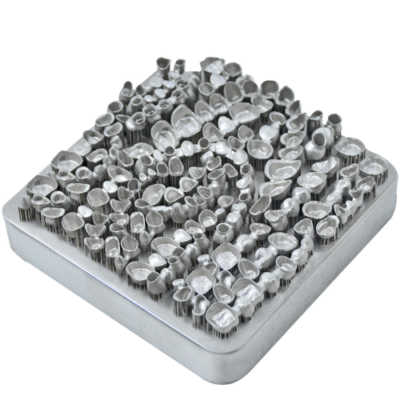
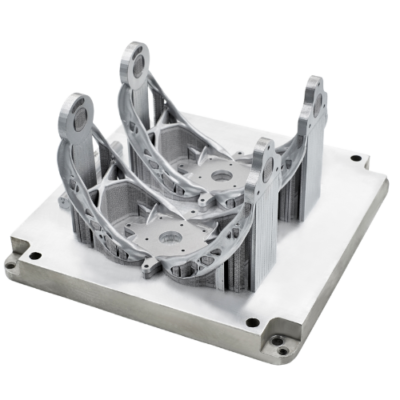
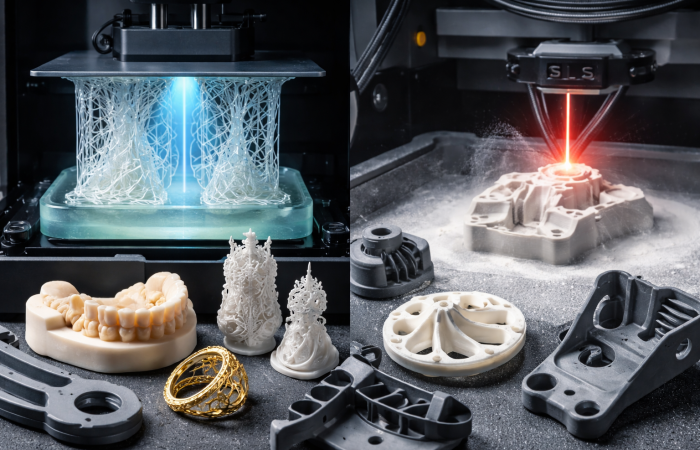
  • Direct Metal Laser Sintering (DMLS): This method uses a laser to melt metal powder and fuse it into solid parts. DMLS is perfect for high-performance alloys and complex geometries, making it a go-to for industries like aerospace, automotive, and medical devices.

DMLS 3D Printing Services & Rapid Prototyping at Additive Plus in Los Angeles

  • High-Precision Metal Parts
  • Exceptional Strength and Durability
  • Ideal for Complex Geometries
  • Electron Beam Melting (EBM): EBM uses an electron beam instead of a laser. It works well with titanium and nickel-based alloys and is commonly used in the medical and aerospace sectors. EBM operates in a vacuum, reducing contamination and ensuring high-quality results.

Source: Research Gate

Addirive plus ebm-setup-diagram
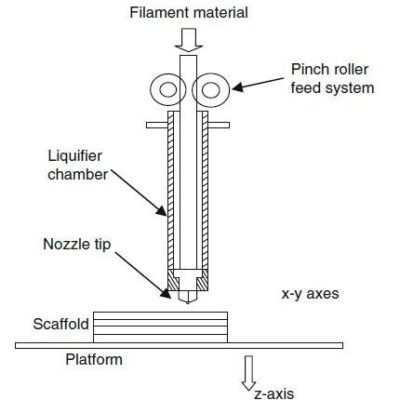
  • Metal Fused Filament Fabrication (MFFF): This newer method uses metal filaments combined with binders, similar to traditional FDM (Fused Deposition Modeling). After printing, the part undergoes a process of removing the binder and sintering the metal. This process is more cost-effective for small to medium-sized parts and is gaining popularity in rapid prototyping.

Source: Science Direct

Schematic-of-Fused-deposition-modelling-

Each technology is suited for different needs. Whether you’re looking for precision, material variety, or cost-efficiency, understanding the strengths of each method can help you make the right choice.

Which Metal 3D Printing Method Should You Choose?

When selecting a metal 3D printing method, the decision depends on several factors: the materials you plan to use, the complexity of your parts, and the performance requirements of your end product. Here’s a simple guide to help you choose the best method:
  • For high-strength and complex parts: DMLS and SLM are your best options. Both methods excel at creating intricate geometries, but SLM provides stronger, denser parts that handle high-stress applications better.
  • For aerospace and medical industries: EBM is a strong contender, especially for titanium and nickel-based alloys. The vacuum environment minimizes contamination, ensuring cleaner, higher-quality results.
  • For rapid prototyping: MFFF offers a cost-effective alternative for creating metal parts on a smaller scale. While not as strong as other methods, it’s ideal for testing and quick iterations.
Each method brings its unique advantages to the table, but the choice ultimately comes down to your project needs—whether it’s performance, speed, or cost-efficiency. Understanding your goals will guide you to the perfect metal 3D printing solution.

Materials Used In Metal 3D Printing

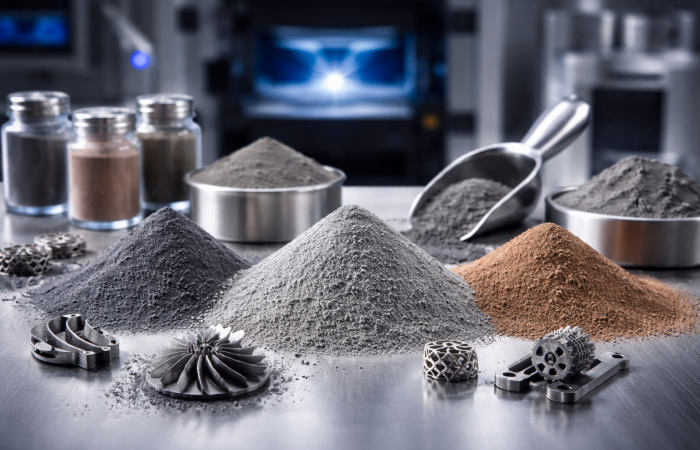
The type of material you use in metal 3D printing plays a crucial role in the success of your project. Each method supports different metal powders, which influence both the strength and versatility of the final part. 

Here’s a look at some of the most common materials:

Material

Key FeaturesCommon Applications

Stainless Steel

Corrosion and wear resistance, durableAutomotive, aerospace, medical

Titanium Alloys

Strength, light weight, resistance to extreme temperaturesAerospace, medical implants, high-performance

Aluminum

Lightweight, strong, balance of strength and weightAerospace, automotive

Nickel Alloys

High-temperature resistance, excels in extreme environmentsJet engines, aerospace components

Copper

Excellent heat conductivityElectrical and thermal applications, heat exchangers

Inconel

High resistance to heat and corrosionAerospace, energy industries, turbine blades

Selecting the right material is critical in ensuring your parts perform as intended. The material you choose should align with your part’s performance requirements, whether it’s strength, durability, or thermal resistance.

Explore Metal Powders at Additive Plus catalog.

How To Choose The Right Metal 3D Printer For Your Needs

When selecting a metal 3D printer, it’s essential to consider several factors to ensure you’re investing in the right technology for your specific needs. Here’s a simple guide to help you make the best choice:

  • Material Compatibility: Different printers are optimized for specific materials. Whether you’re looking to print with titanium, stainless steel, or nickel alloys, ensure the printer can handle the material you need.
    Tip: Check the printer’s capabilities to support various metal powders or filaments.
  • Build Volume: If you’re working with large parts, you’ll need a printer with a larger build volume. Consider your production requirements—whether you need to print small, detailed components or larger, more complex parts.
  • Printer Type: The type of printer—DMLS, SLM, or EBM—should align with the precision and strength you need for your parts. For high-stress applications, SLM or DMLS might be the best choice.
  • Post-Processing Requirements: Some metal 3D printers require more post-processing work than others. Depending on your end-use, ensure you’re prepared for the necessary finishing steps like sintering or support removal.
  • Budget and Running Costs: Understand the upfront cost of the printer, as well as ongoing maintenance and material costs. Certain machines may be more cost-effective for smaller batches, while others are ideal for high-volume production.

By understanding these key factors, you’ll be better equipped to choose a metal 3D printer that meets your needs while delivering high-quality results for your projects.

Explore DMLS 3D Printers at Additive Plus catalog.

Benefits Of Metal 3D Printing

Metal 3D printing offers a range of advantages that can transform your manufacturing process, improve efficiency, and unlock new possibilities. Here’s a breakdown of some of the key benefits:

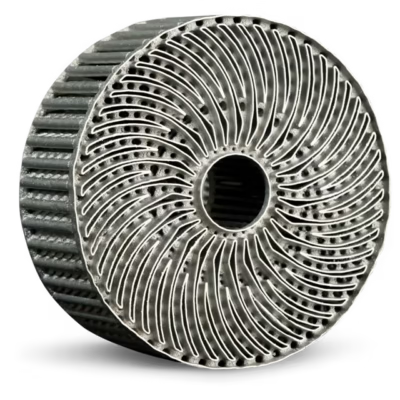
  • Complex Geometries and Customization: Metal 3D printing allows you to create intricate designs that would be difficult or impossible with traditional manufacturing methods. This makes it ideal for custom parts, complex geometries, and parts with internal features like lattice structures.
  • Reduced Material Waste: Traditional metalworking often involves subtracting material from a solid block, creating waste. In contrast, 3D printing is an additive process, where material is added layer by layer. This results in less waste, making it a more sustainable option.
  • Faster Prototyping: 3D printing enables rapid prototyping, helping you bring designs to life faster. You can quickly test, modify, and iterate parts without waiting for tooling or molds, cutting down on development time.
  • Lightweight Components: Metal 3D printing can produce lightweight parts without sacrificing strength. By using lattice structures and optimized designs, you can reduce the weight of parts, which is crucial for industries like aerospace and automotive.
  • High Precision and Strength: Metal 3D printing technologies like DMLS and SLM provide high accuracy and are capable of printing parts with exceptional strength. This makes them ideal for critical applications, especially in aerospace, medical, and automotive industries.

Whether you need custom parts or high-performance components, metal 3D printing opens doors to endless possibilities.

Applications Of Metal 3D Printing

Metal 3D printing is transforming industries by offering unique solutions to complex challenges. In the aerospace sector, it enables the production of lightweight, high-strength parts like turbine blades and structural components, optimizing designs and reducing weight. Similarly, in automotive manufacturing, it allows for the creation of custom parts, prototypes, and lightweight components that improve vehicle performance.

In the medical field, metal 3D printing is used for personalized solutions, such as custom implants, surgical tools, and prosthetics, ensuring better patient outcomes. For tooling and manufacturing, it streamlines production by enabling the creation of custom jigs, clamps, and fixtures, reducing downtime and boosting efficiency.

The energy and oil & gas industries also benefit, with 3D printing producing high-performance parts for turbine engines and offshore drilling rigs. In defense, the technology is used to rapidly produce on-demand components like drone parts and armored equipment.

Across all these sectors, metal 3D printing is unlocking new possibilities by creating complex, strong, and lightweight components, driving innovation and improving manufacturing capabilities.

Your Partner In Advancing Metal 3D Printing Solutions

Metal 3D printing is a game-changer for industries seeking to push the limits of design and manufacturing. By understanding key technologies like DMLS, SLM, and EBM, as well as the wide variety of metal materials, you can make informed decisions that drive both efficiency and innovation. Whether you’re designing complex geometries, aiming for high strength, or reducing production time, metal 3D printing offers unparalleled advantages.

At Additive Plus, we bring over a decade of expertise in helping businesses seamlessly integrate 3D technologies such as 3D scanners, and equipment spare parts

We also provide DMLS, SLM and other 3D printing services throughout the US with quick and doorstep delivery. 

Our personalized support, advanced printing services, and curated portfolio of top-tier metal printing solutions can help you accelerate your projects and optimize production

With access to a broad range of materials and tailored consulting services, we’re here to empower your operations. 

Ready to explore the possibilities? 

FAQ

Can 3D printers print metal?

Yes, 3D printers can print metal using specialized technologies like Direct Metal Laser Sintering (DMLS) and Selective Laser Melting (SLM), which melt metal powders layer by layer to create solid metal parts.

Absolutely! Many modern 3D printers are designed to print with metal materials, enabling industries like aerospace, automotive, and medical to produce high-performance parts.

A metal 3D printer works by using a high-powered laser or electron beam to melt and fuse metal powder particles together. The printer builds the object layer by layer, from the bottom up, until the final part is complete.

3D printers like DMLS and SLM printers are specifically designed to print metal parts. Some well-known machines include those from Farsoon.

Several metals can be used for 3D printing, including stainless steel, titanium alloys, aluminum, nickel alloys, and copper. Each metal has specific uses depending on its properties like strength, temperature resistance, or conductivity.

The cost of 3D metal printing depends on several factors, including material, complexity, and size. Generally, metal 3D printing can cost anywhere from $100 to $5000+ per part, depending on these variables.

Additive manufacturing expert and tech business leader, focused on global strategy, innovation, and advancing women in 3D printing.

Request a quote

Scan My Object

Please describe your part and scanning needs. Include details like size, material, and how you plan to use the 3D model. Let us know if you require additional services like digital sculpting. Upload images of your part(s) if you have them.

Ask for details

Partner with us

Get instant quote

Engineer-reviewed · Confidential · Fast response

Talk to Material Expert

Select the unit of measurement for your file
No 3D file? We’ve got you. We can design it for you or scan your existing part.
Upload a photo or drawing if you have one — we’ll get in touch soon.
Select the unit of measurement for your file
No 3D file? We’ve got you. We can design it for you or scan your existing part.
Upload a photo or drawing if you have one — we’ll get in touch soon.
Select the unit of measurement for your file
No 3D file? We’ve got you. We can design it for you or scan your existing part.
Upload a photo or drawing if you have one — we’ll get in touch soon.
Select the unit of measurement for your file
No 3D file? We’ve got you. We can design it for you or scan your existing part.
Upload a photo or drawing if you have one — we’ll get in touch soon.

Request a 3D Printing Quote

Upload your CAD file or describe your project — our engineers will follow up shortly.

We can create one for you.

Engineer-reviewed · Confidential · Fast response