Skip to content

How Atomization Technology is Transforming Metal Powder Production

Metal powder production is the backbone of modern manufacturing. From aerospace to medical devices, high-quality powders drive innovation, precision, and performance. At the heart of this production lies atomization technology—a process that transforms molten metal into fine, uniform powders. It ensures the right particle size, shape, and purity, making it essential for 3D printing, powder metallurgy, and advanced manufacturing. But not all atomization methods deliver the same results. Traditional techniques often fall short when it comes to efficiency, consistency, and small-batch production. That’s where advancements like ultrasonic atomization come in. This cutting-edge solution creates high-quality spherical powders, minimizes waste, and opens new doors for material innovation. In this guide, we’ll break down:
  • How atomization works and why it matters
  • The latest innovations transforming powder production
  • Real-world applications across industries
Whether you’re exploring 3D printing, powder metallurgy, or advanced manufacturing, understanding atomization is key to staying ahead.

What Is Atomization Technology?

Atomization technology is the core process behind producing high-quality metal powders. It transforms molten metal into fine, uniform particles by breaking the liquid stream into droplets that solidify into powder.

The process typically involves three key steps:

  1. Melting: The metal is heated until it becomes liquid.
  2. Atomization: High-pressure gas, water, or ultrasonic vibrations break the liquid into tiny droplets.
  3. Solidification: The droplets rapidly cool and harden into spherical or near-spherical particles.

Source: Research Gate

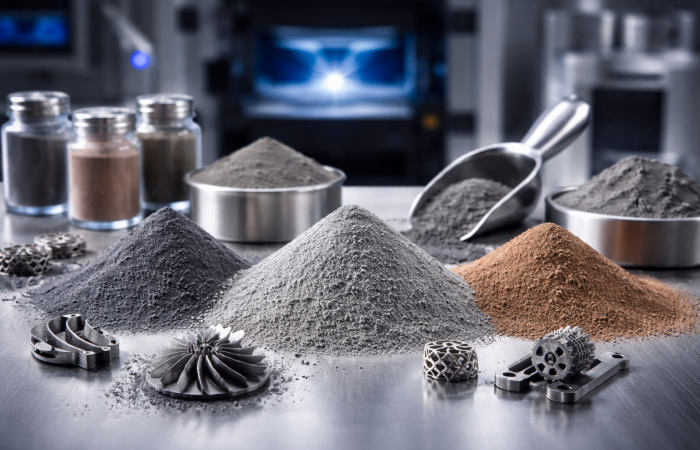
The result? Consistent, high-performance powders ideal for additive manufacturing, powder metallurgy, and other advanced applications. Depending on the end use, different atomization methods—like gas, water, and ultrasonic—offer varying particle sizes, shapes, and purity levels.

The Role Of Atomization In Powder Metallurgy

Atomization plays a vital role in powder metallurgy by ensuring precise particle size, shape, and purity. It’s the foundation for producing powders that meet the strict requirements of modern manufacturing. Here’s why it matters:
  • Consistent Quality: Atomized powders are uniform, reducing defects in final products.
  • Optimal Flowability: Smooth, spherical particles ensure efficient processing and sintering.
  • Controlled Particle Size: Different atomization methods allow for tailored size distribution, which is crucial for specific applications while working with precious metals atomization.
These high-quality powders are essential for creating strong, lightweight components in industries like aerospace, automotive, and medical manufacturing. Without atomization, achieving the precision and performance needed in advanced production would be nearly impossible.

Types Of Atomization Technology

Atomization technology comes in several forms, each designed for specific materials, powder characteristics, and production needs. The most common types include:


Atomization Method

Process Description

Powder Shape

Common Applications

Gas Atomization

Molten metal is sprayed with high-pressure gas, breaking it into fine droplets.

Spherical

3D printing, precision manufacturing

Water Atomization

High-pressure water jets fragment molten metal into irregularly shaped powders.

Irregular

Powder metallurgy, structural components, sintered parts

Centrifugal Atomization

Molten metal is spun at high speeds, forming fine particles through centrifugal force.

Varies

Heat-sensitive metals and alloys

Plasma Atomization

A plasma torch melts and atomizes metal wire into ultra-fine, high-purity powders.

Spherical

Aerospace, medical, electronics

Ultrasonic Atomization

Ultrasonic vibrations produce uniform, spherical powders with minimal waste.

Spherical

Precious metals, specialized industrial uses


Each type offers unique benefits, but ultrasonic atomization stands out for its precision, efficiency, and sustainability, making it a go-to choice for modern powder production.

Advancements In Metal Powder Atomization: Ultrasonic Atomization

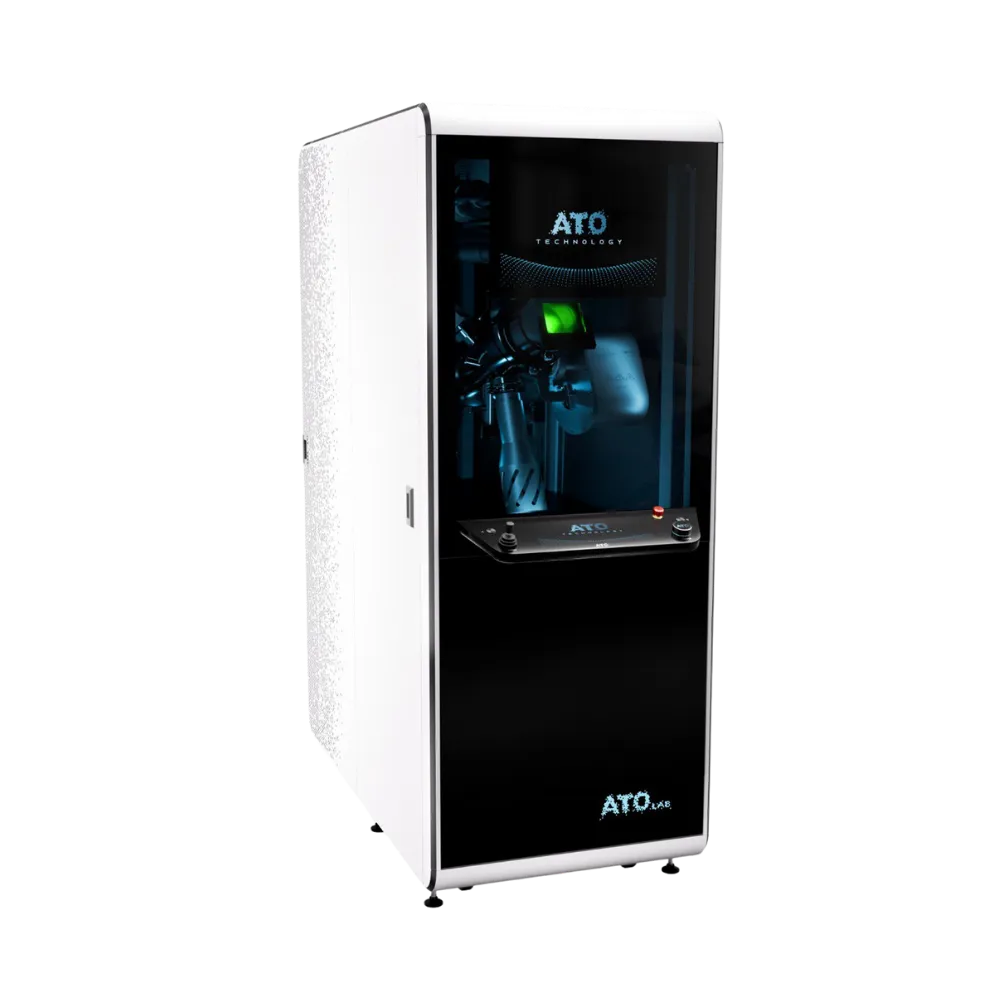
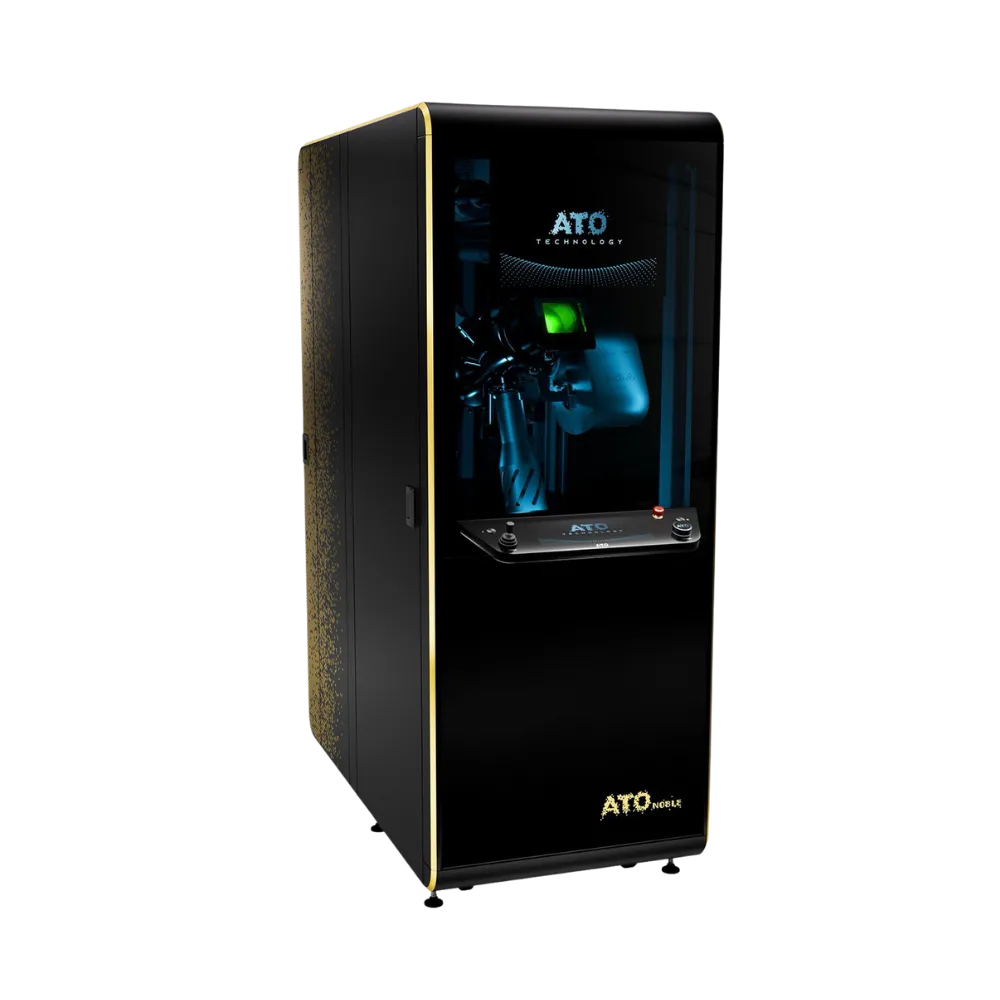
Among the most notable advancements is ATO Tech, a cutting-edge solution designed to produce high-quality powders with exceptional uniformity.

Ultrasonic atomization transforms molten metal into fine powders using high-frequency vibrations. The process starts when liquid metal flows onto a vibrating surface. These vibrations break the metal into uniform droplets, which solidify into spherical powders as they cool.

This method stands out for its precision and efficiency, making it ideal for specialized applications. Unlike conventional techniques, ultrasonic atomization works without high-pressure gas, reducing energy consumption and production costs.

Key advantages include:

  • Exceptional Purity: Minimal contamination due to controlled atomization conditions.
  • Fine Powder Production: Perfect for intricate applications like medical implants and electronics.
  • Efficient Material Use: Less waste and higher yield from each production cycle.

For example, in the jewelry industry, ultrasonic atomizer ensures superior-quality gold and silver powders for intricate designs.

This approach isn’t just about quality—it’s about reshaping how industries achieve precision, efficiency, and innovation.

Applications Of Atomized Metal Powders

Atomized metal powders play a vital role across various industries, including aerospace, automotive, and medical devices

In aerospace, their high purity and consistent particle size ensure reliable performance in critical components, while the automotive industry uses them for lightweight, high-strength parts. In the medical field, these powders enable the production of customized implants and surgical tools with exceptional precision.

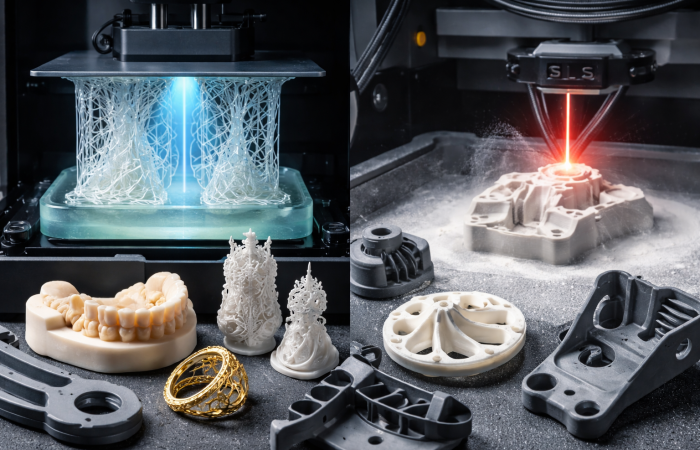
One of the most prominent applications of atomized metal powders is in 3D printing, where they serve as the primary material for producing intricate parts with excellent mechanical properties. Technologies like DMLS (Direct Metal Laser Sintering) rely heavily on these powders to achieve smooth surface finishes and complex geometries that traditional manufacturing can’t replicate.

The ultrasonic atomization setup is designed for melting and atomizing pure aluminum.

Source: Sciencedirect

The ultrasonic atomization setup is designed for melting and atomizing pure aluminum.

Source: Sciencedirect

Looking ahead, the future potential of atomized powders extends to emerging technologies like energy storage, advanced robotics, and next-generation electronics

As material science continues to evolve, atomized metal powders will undoubtedly remain at the forefront of innovation, driving advancements in both manufacturing and product design.

Benefits Of Choosing Advanced Atomization Technology

Choosing advanced atomization technology offers significant advantages for industries relying on high-performance metal powders. One of the key benefits is consistent powder quality, ensuring uniform particle size, shape, and composition. This reliability translates into superior performance in industrial applications, from precision manufacturing to complex 3D printing projects.

Another major advantage is cost-effectiveness and sustainability. Advanced atomization processes optimize material usage, minimizing waste while maximizing yield. This not only reduces production costs but also supports eco-friendly manufacturing practices, aligning with industry goals for sustainable production. Key benefits include:

  • Minimal material waste, lowering production costs and environmental impact.
  • Energy-efficient processes that reduce carbon footprints.
  • High powder yield, ensuring more usable material per production cycle.
  • Recyclability, allowing unused powders to be reprocessed.

Moreover, scalability is a standout feature of ATO Tech solutions. Whether it’s small-batch production for R&D labs or large-scale manufacturing for aerospace, automotive, or medical devices, advanced atomization technology adapts seamlessly to varying demands. 

This flexibility empowers industries to innovate without compromising on quality, efficiency, or environmental responsibility.

The Future Of Metal Powder Atomization

The future of metal powder atomization is bright, with emerging trends in digitalization, automation, and advancements in atomization technology poised to redefine the industry. As digital tools and automated systems continue to enhance the precision, efficiency, and scalability of powder production, the next decade will likely see even greater innovations. 

By adopting advanced atomization systems, industries can gain a competitive edge, ensuring high-quality, cost-effective, and sustainable production processes. Embracing these technological advancements in metal powder atomization will drive efficiency and unlock new possibilities for industries ranging from aerospace to 3D printing. 

The evolving capabilities of atomization technology are essential for staying ahead in the rapidly advancing world of modern manufacturing.

Ready to elevate your production? 

Check out ATO Tech atomizers with flexible financing options today!

Additive manufacturing expert and tech business leader, focused on global strategy, innovation, and advancing women in 3D printing.

Request a quote

Scan My Object

Please describe your part and scanning needs. Include details like size, material, and how you plan to use the 3D model. Let us know if you require additional services like digital sculpting. Upload images of your part(s) if you have them.

Ask for details

Partner with us

Get instant quote

Engineer-reviewed · Confidential · Fast response

Talk to Material Expert

Select the unit of measurement for your file
No 3D file? We’ve got you. We can design it for you or scan your existing part.
Upload a photo or drawing if you have one — we’ll get in touch soon.
Select the unit of measurement for your file
No 3D file? We’ve got you. We can design it for you or scan your existing part.
Upload a photo or drawing if you have one — we’ll get in touch soon.
Select the unit of measurement for your file
No 3D file? We’ve got you. We can design it for you or scan your existing part.
Upload a photo or drawing if you have one — we’ll get in touch soon.
Select the unit of measurement for your file
No 3D file? We’ve got you. We can design it for you or scan your existing part.
Upload a photo or drawing if you have one — we’ll get in touch soon.

Request a 3D Printing Quote

Upload your CAD file or describe your project — our engineers will follow up shortly.

We can create one for you.

Engineer-reviewed · Confidential · Fast response