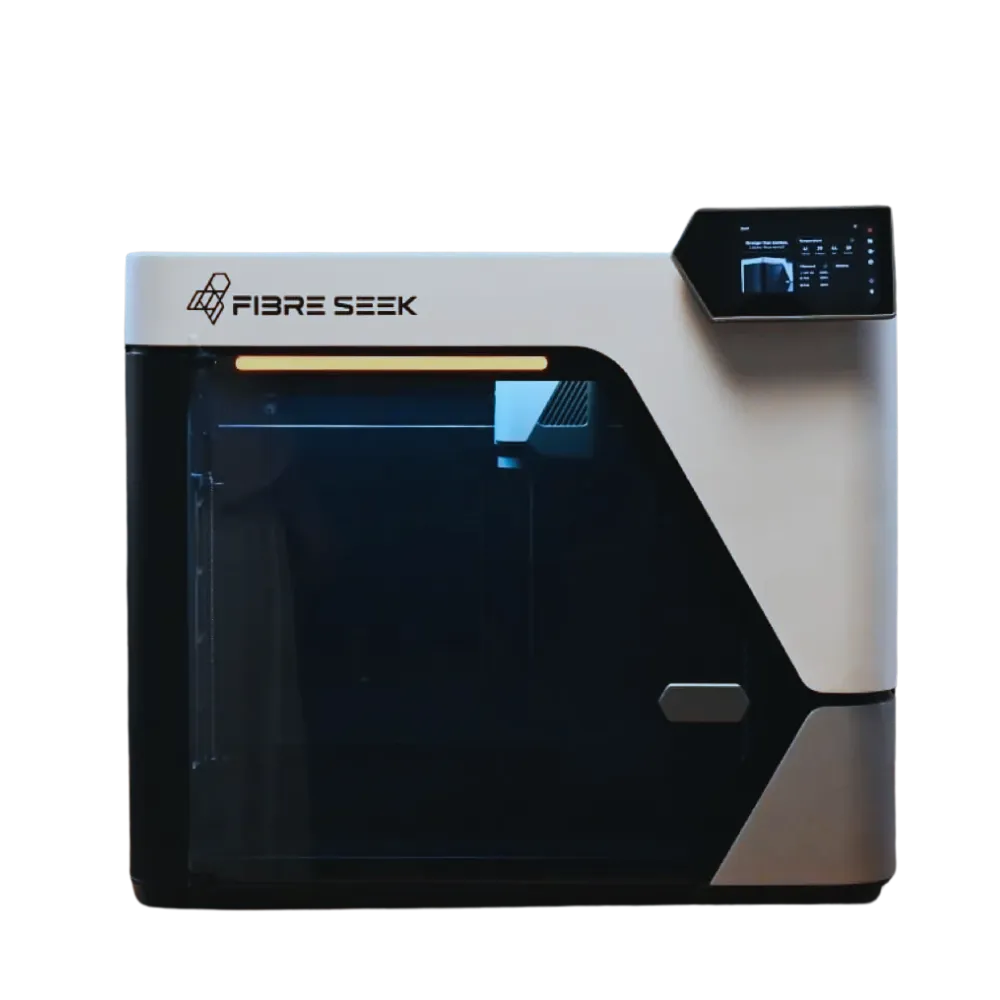
FibreSeeker 3 Continuous Fibre 3D Printer – Carbon Fiber Reinforced Desktop Manufacturing
Real Carbon Fibre. Real Strength. Desktop Manufacturing.
Bring industrial composite manufacturing into your workspace with the FibreSeeker 3 continuous fibre 3D printer. Produce lightweight, high-strength parts using real carbon or glass fibre reinforcement.
-
Technology:
FFF
-
Printing Materials:
Plastic Filaments
-
Build Volume:
11.81×11.81×9.65 in, 300×300×245 mm
On backorder
Need a custom configuration or business pricing?
Request a quote✔ Stock & Fast Delivery Available – ready-to-ship units and global distribution
✔ Custom Configuration Support – materials, setup, and workflow optimization
✔ Standard & Express Delivery Options – flexible logistics for urgent projects
✔ End-to-End AM Integration – we support not just the printer, but full production workflows
✔ Bulk & Business Pricing – special offers for labs, universities, and production teams
- Description
- Details
- Materials
- FAQ
- Documents
- Videos
- Review
Description
The FibreSeeker 3 continuous fibre 3D printer is engineered to bridge the gap between desktop additive manufacturing and industrial composite production. It enables engineers to manufacture structural parts with significantly enhanced mechanical properties directly from a compact system.
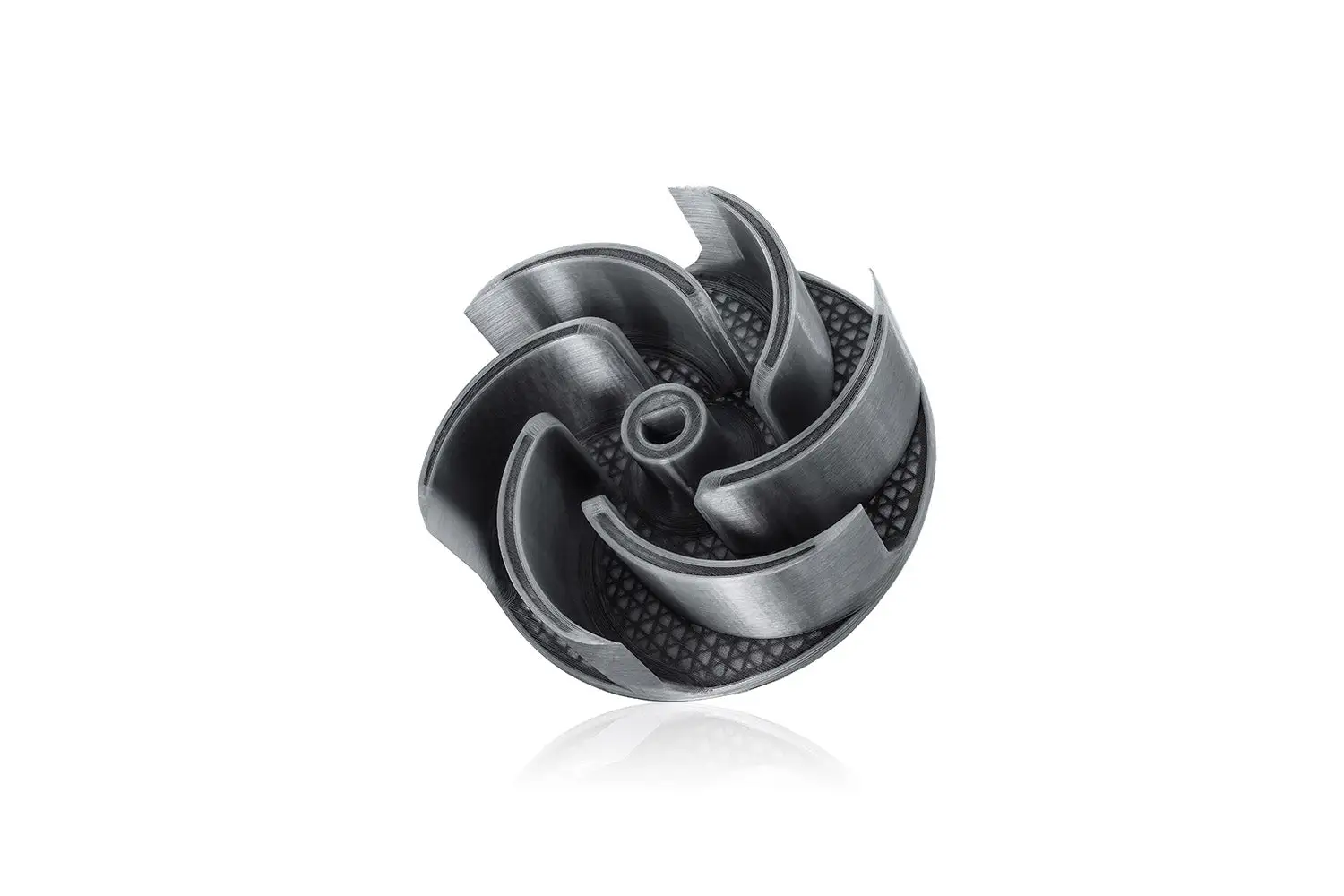
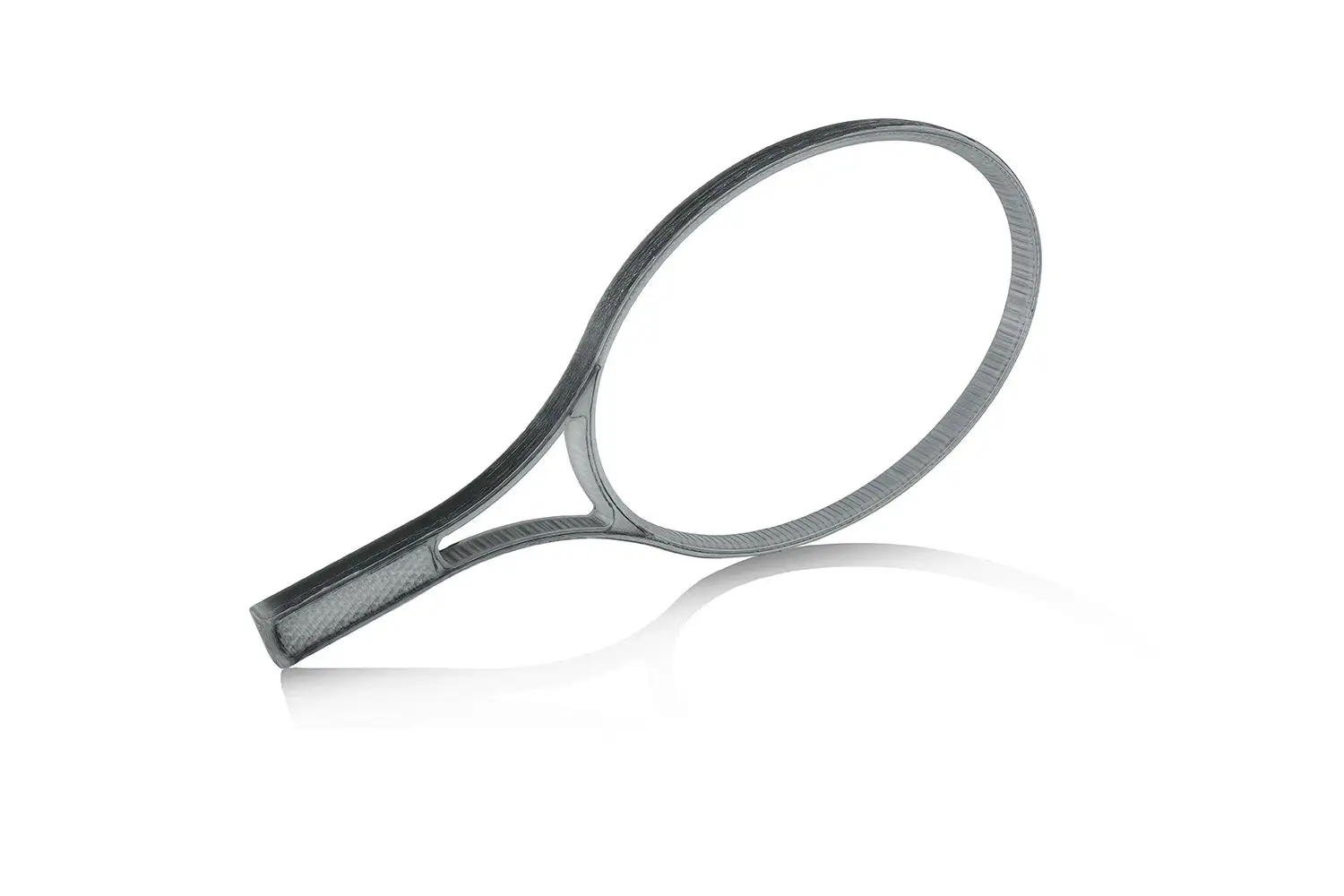
At the core of the system is Continuous Fibre Co-Extrusion (CFC) — a process that embeds continuous carbon or glass fibres into a thermoplastic matrix during printing. Unlike short-fibre or filled filaments, continuous reinforcement allows load transfer across the entire part, dramatically increasing mechanical performance.
Mechanical Performance
By combining thermoplastics with continuous fibres, FibreSeeker 3 produces parts with:
- Tensile strength up to 900 MPa
- Significantly improved stiffness and rigidity
- Enhanced fatigue resistance
- Load-bearing capability suitable for functional applications
This enables replacement of metal components in weight-critical applications.
Process & Manufacturing Benefits
- Controlled fibre placement for optimized stress distribution
- Multi-material capability for functional part design
- Stable extrusion with real-time fibre tension monitoring
- Reduced material waste compared to traditional composite manufacturing
Use Case Integration
The system is designed not only for prototyping but also for functional production workflows, enabling engineers to move from concept to end-use parts without changing manufacturing processes.
Key Performance Benefits
- Up to 10× stronger parts vs standard FDM
- True continuous fibre reinforcement (not chopped fibre)
- Lightweight alternative to metal parts
- Optimized fibre orientation for structural performance
- Desktop accessibility with industrial-level output
Markets
- Aerospace & UAV
- Automotive & Motorsport
- Robotics
- Industrial Manufacturing
- Education & Research
Applications
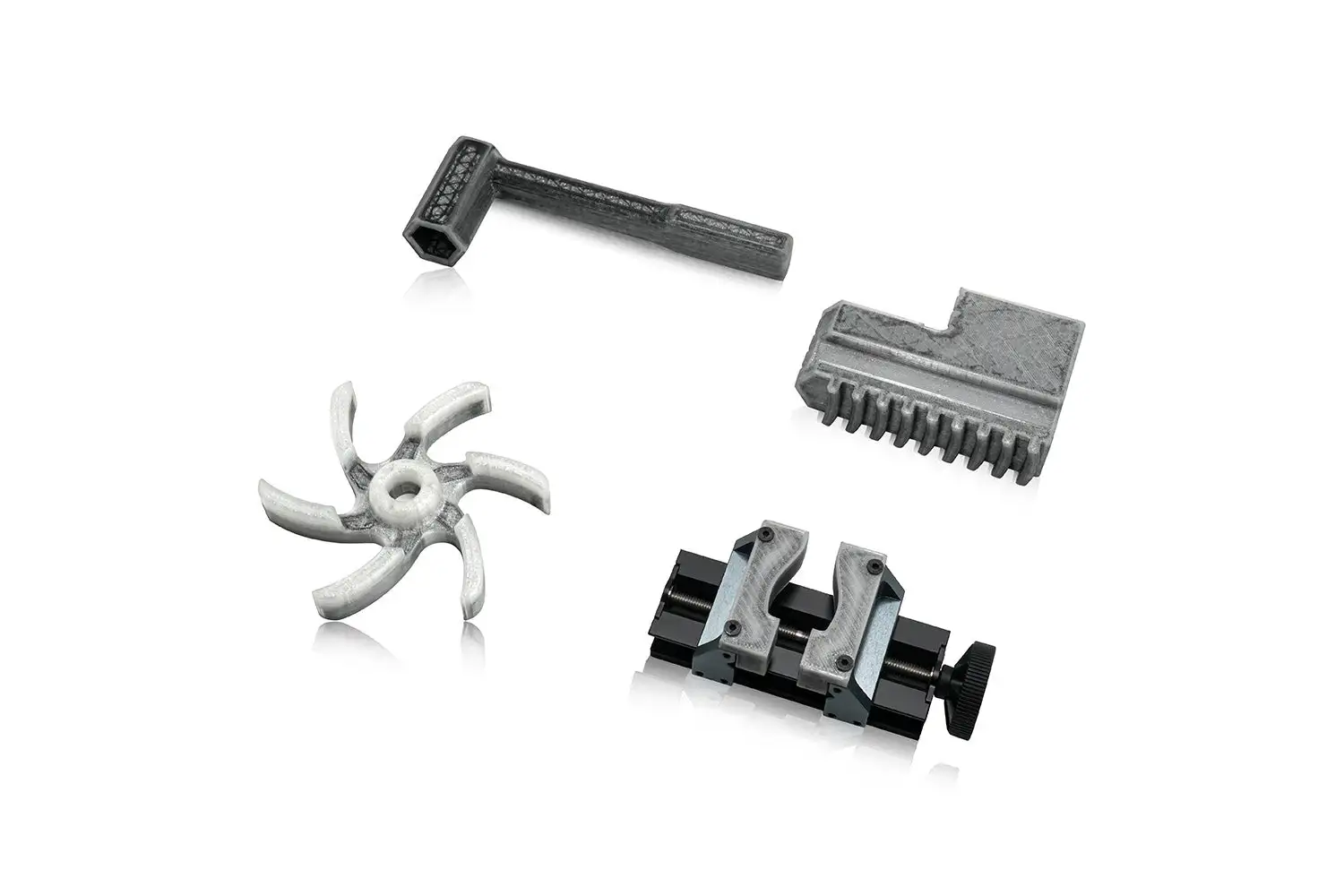
- UAV frames and structural components
- Robotics arms and load-bearing parts
- Functional prototypes for testing
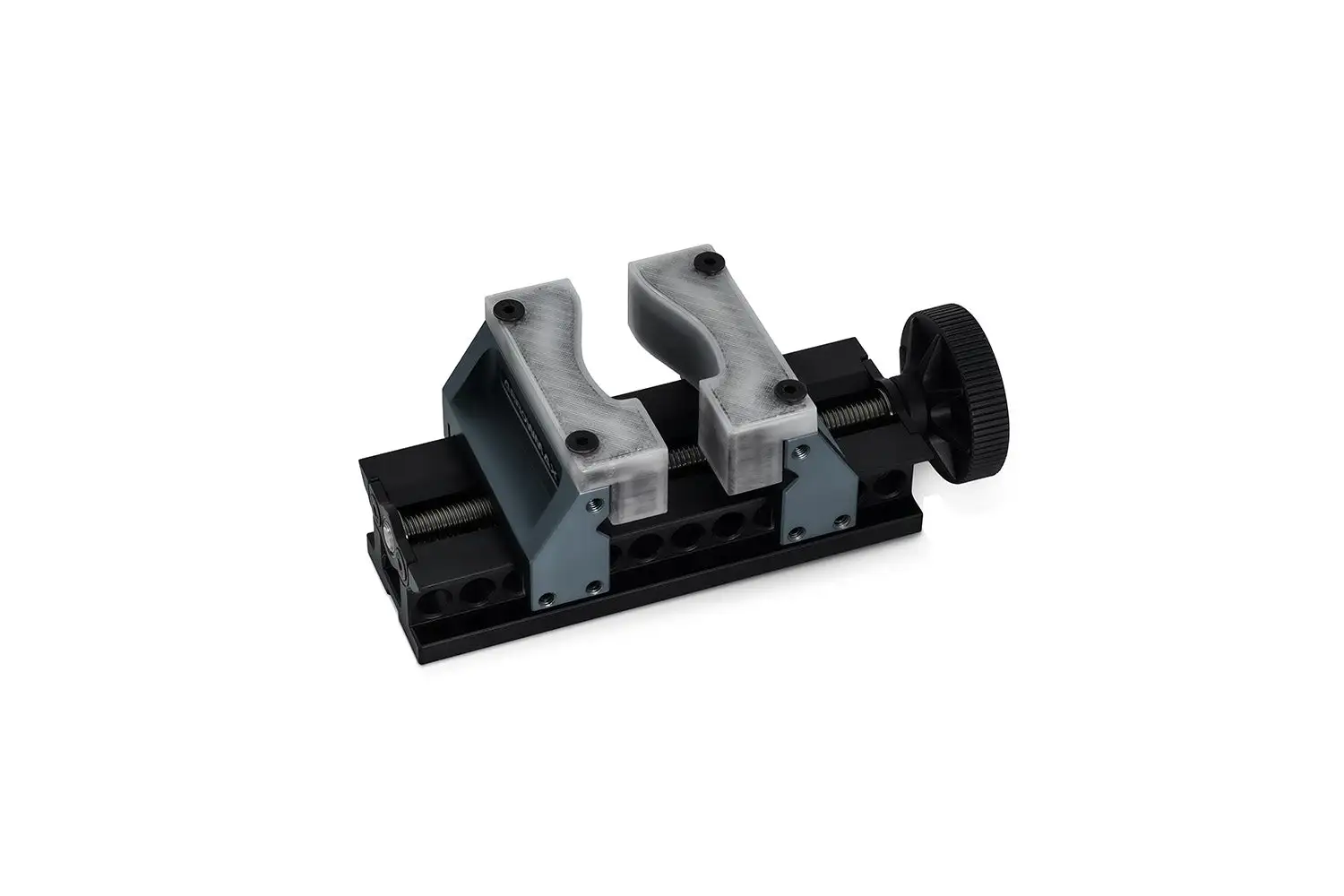
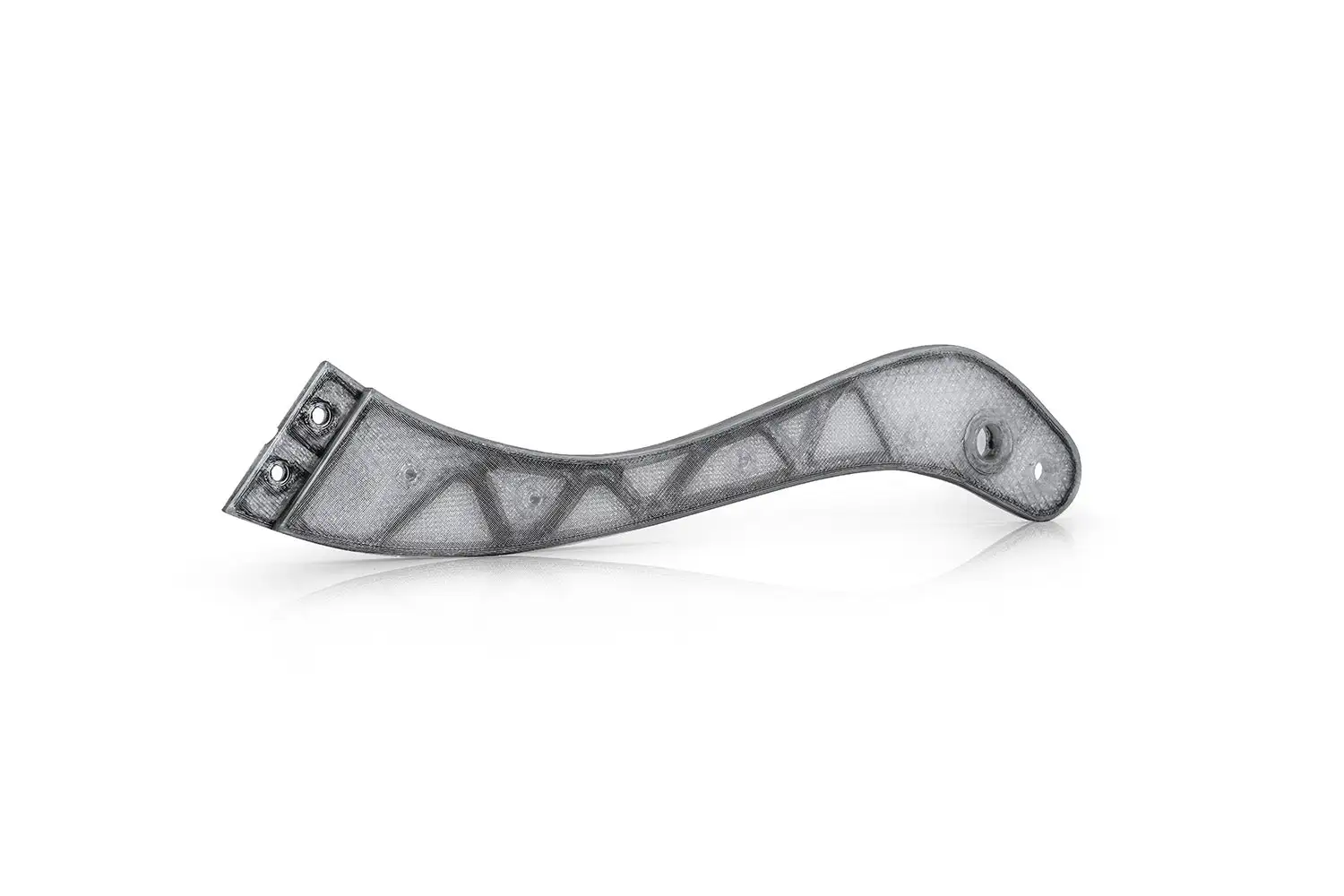
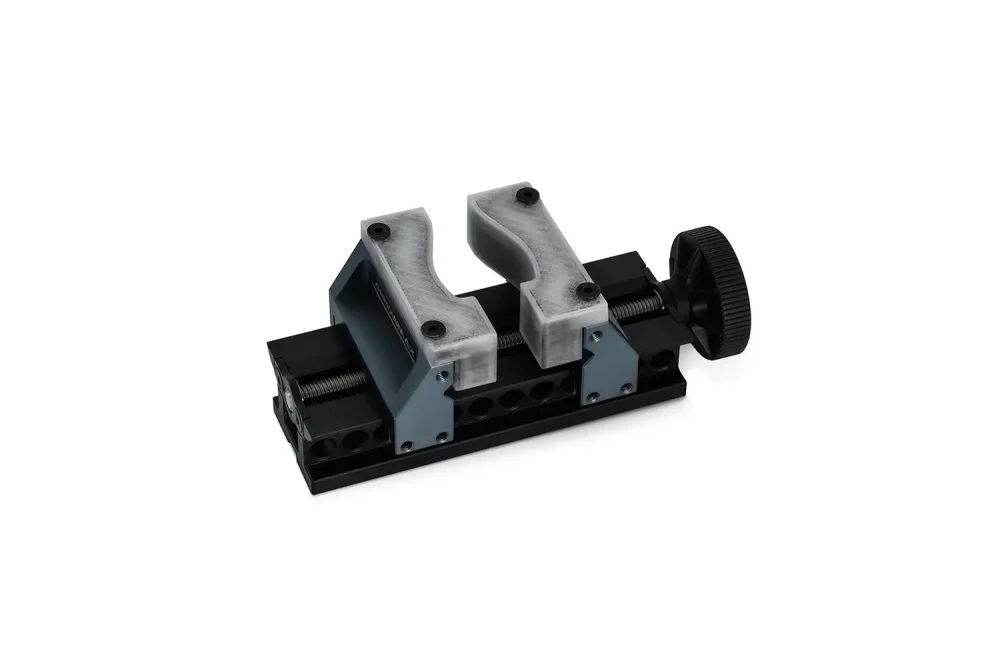
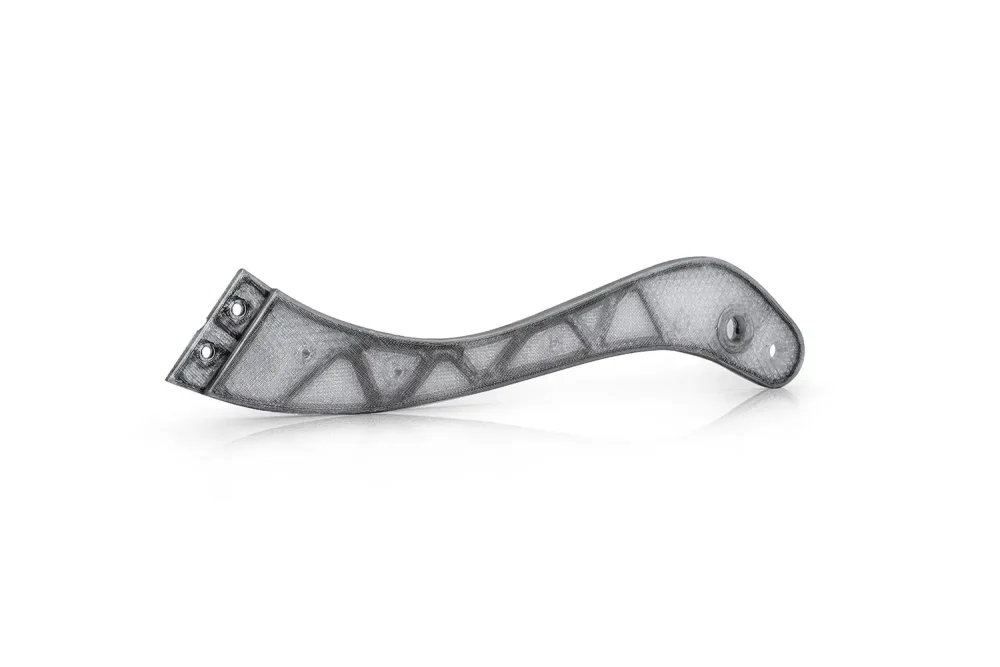
- Mechanical brackets and housings
- Lightweight replacement for metal parts
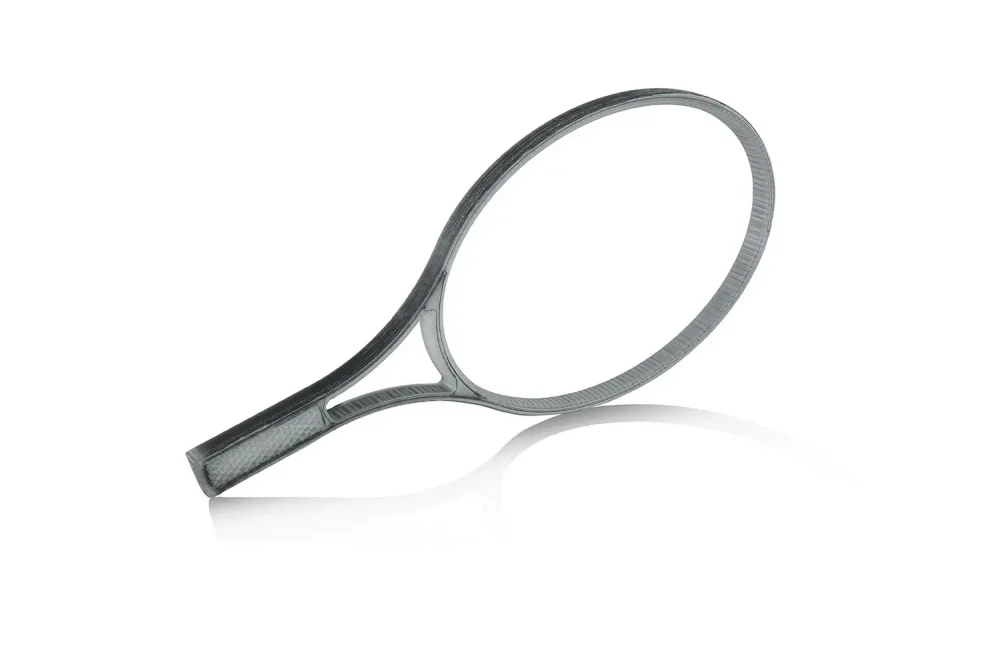
Why Fibre Matters
Standard FDM printing relies on unreinforced thermoplastics or short-fibre-filled filaments, which provide limited mechanical performance. Even carbon-filled filaments (PLA-CF, PA-CF) contain chopped fibres, typically less than 0.2 mm in length, which do not create a continuous load path through the part.
The FibreSeeker 3 continuous fibre 3D printer uses continuous fibre reinforcement, meaning long strands of carbon or glass fibre are embedded directly into the print.
In practical terms, this transforms printed parts from visual prototypes into functional engineering components.
When Standard FDM Is Not Enough
Standard FDM becomes a limitation when your application requires:
- Load-bearing or structural components
- High stiffness and minimal deformation
- Lightweight alternatives to metal parts
- Functional testing under real conditions
- Repeated mechanical stress or fatigue resistance
When to Choose Continuous Fibre Printing
Choose a continuous fibre 3D printer when performance matters:
- You need engineering-grade strength, not just form
- You want to replace metal with lightweight composites
- Your parts must withstand real-world loads
- You require controlled fibre orientation for optimized performance
- Brand Fibre Seek
- Technology FFF
- Build Volume 11.81×11.81×9.65 in, 300×300×245 mm
- Motion Control System Closed-loop
- Network Type and Protocol Ethernet, WiFi, USB-type B, SD-card slot
- Electrical Requirement 220-240VAC (100-120VAC optionally), 50/6OHz, 800W
- Ambient Temperature 18-28 °C (64.4-82.4 °F)
- Operating Temperatures Max. Print Head Operating Temperature: 320 °C Max. Buildplate Operating Temperature: up to 110 °С
- Layer Thickness 50 µm+
- Plastic Filament Diameter 0.0689in / 1.75mm
- FFF Nozzle Diameter 0.0157in / 0.4mm
- Print Head Dual nozzle: FFF extruder; CFC extruder with reinforcing filament cutting device
- Printing Speed up to 500 mm/s
- Interface 5” Touchscreen
- Material PLA, Carbon Fibre X-CCF, Glass Fibre X-CGF, Glass-filled Nylon PACF, Glass-filled PETG PETGF, PA Filament, PC, PETG
- Printing Materials Plastic Filaments
Materials
The Continuous Fibre 3D Printer is designed as a hybrid composite manufacturing system, combining thermoplastic matrices with continuous fibre reinforcement to produce high-performance structural parts.
Unlike standard desktop 3D printers, FibreSeeker 3 supports both engineering-grade polymers and continuous fibre integration, enabling users to tailor mechanical properties such as strength, stiffness, and weight depending on the application.
The system works on a matrix + reinforcement principle:
- The polymer provides shape, bonding, and surface finish
- The continuous fibre carries mechanical loads and defines structural performance
This allows engineers to move beyond prototyping into functional composite manufacturing, with control over material selection and fibre placement.
-
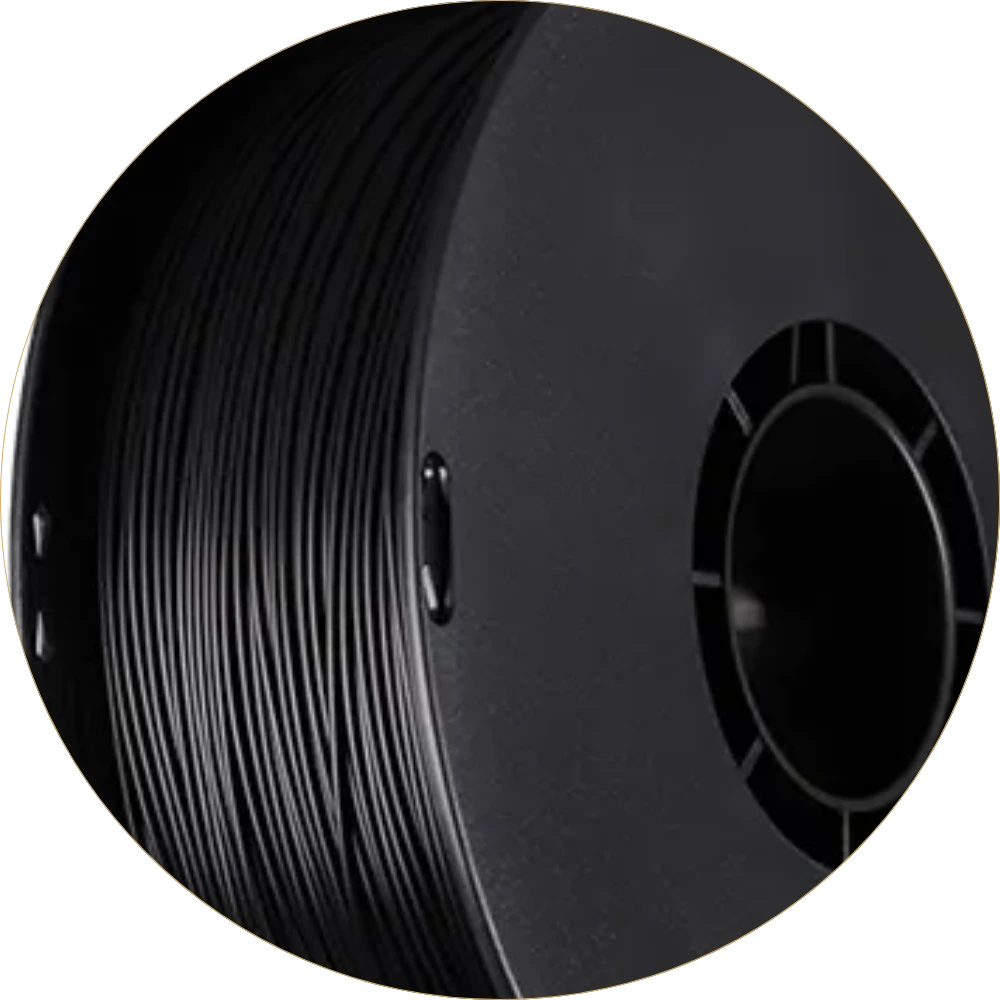 PLA
PLA
-
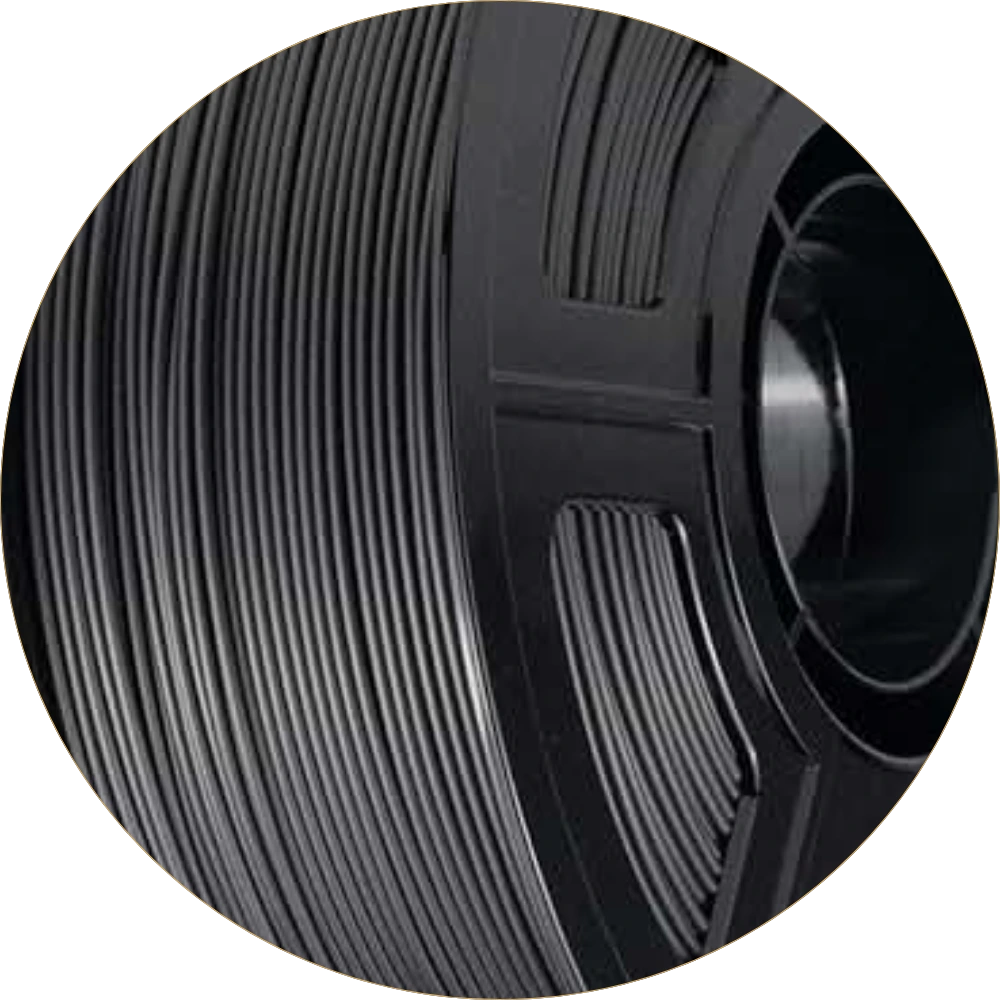 Carbon Fibre X-CCF
-
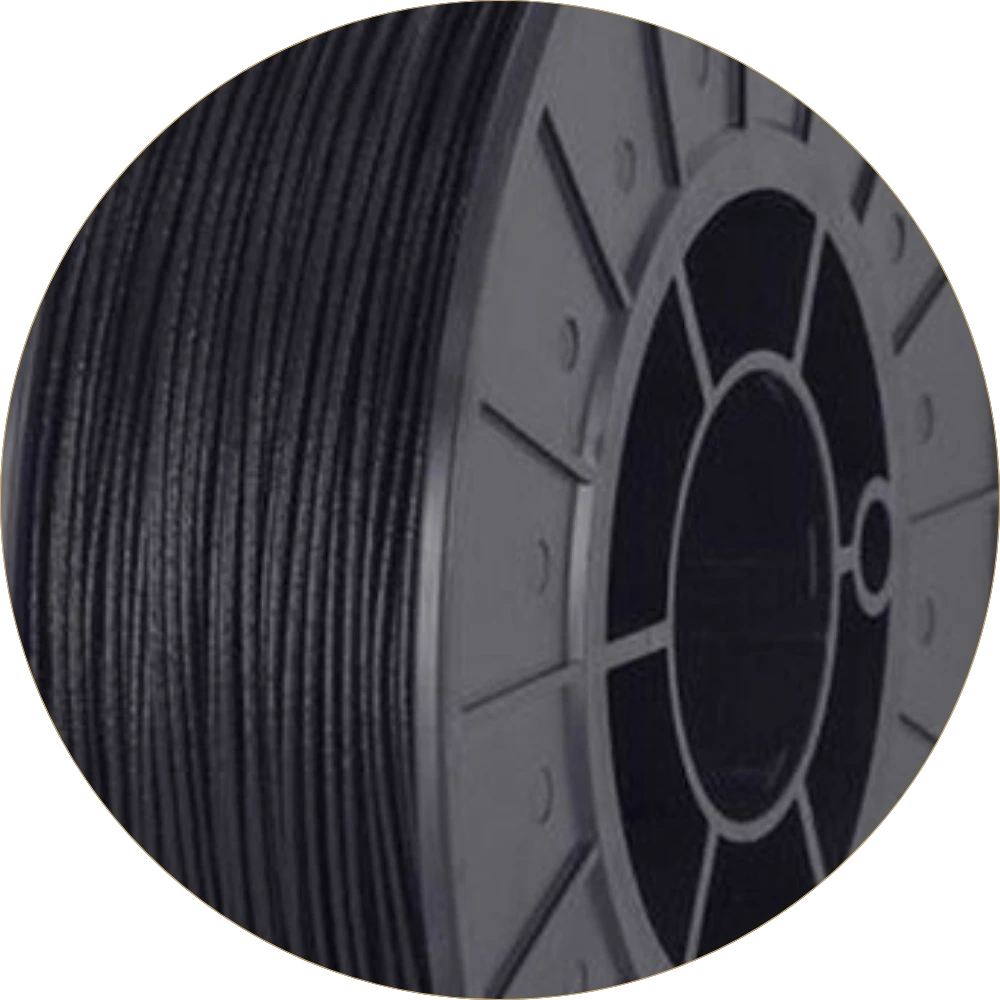 Glass Fibre X-CGF
-
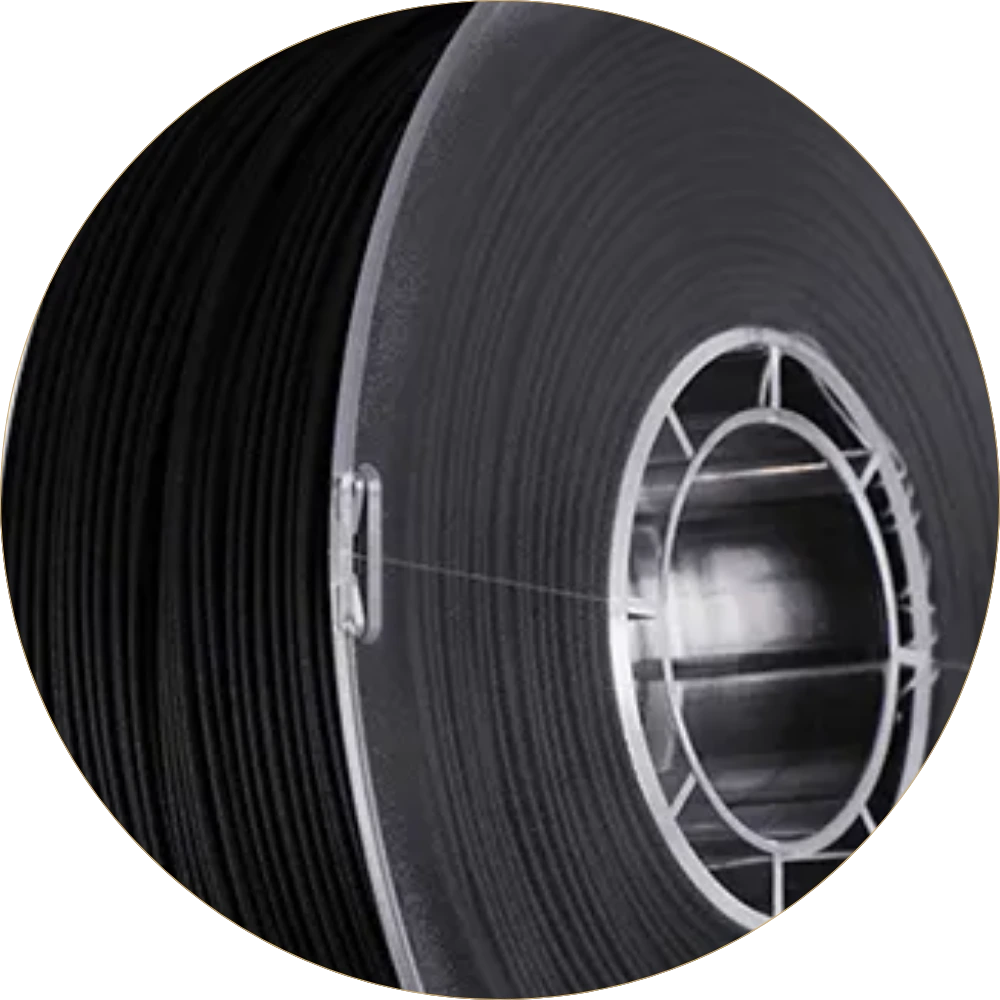 Glass-filled Nylon PACF
-
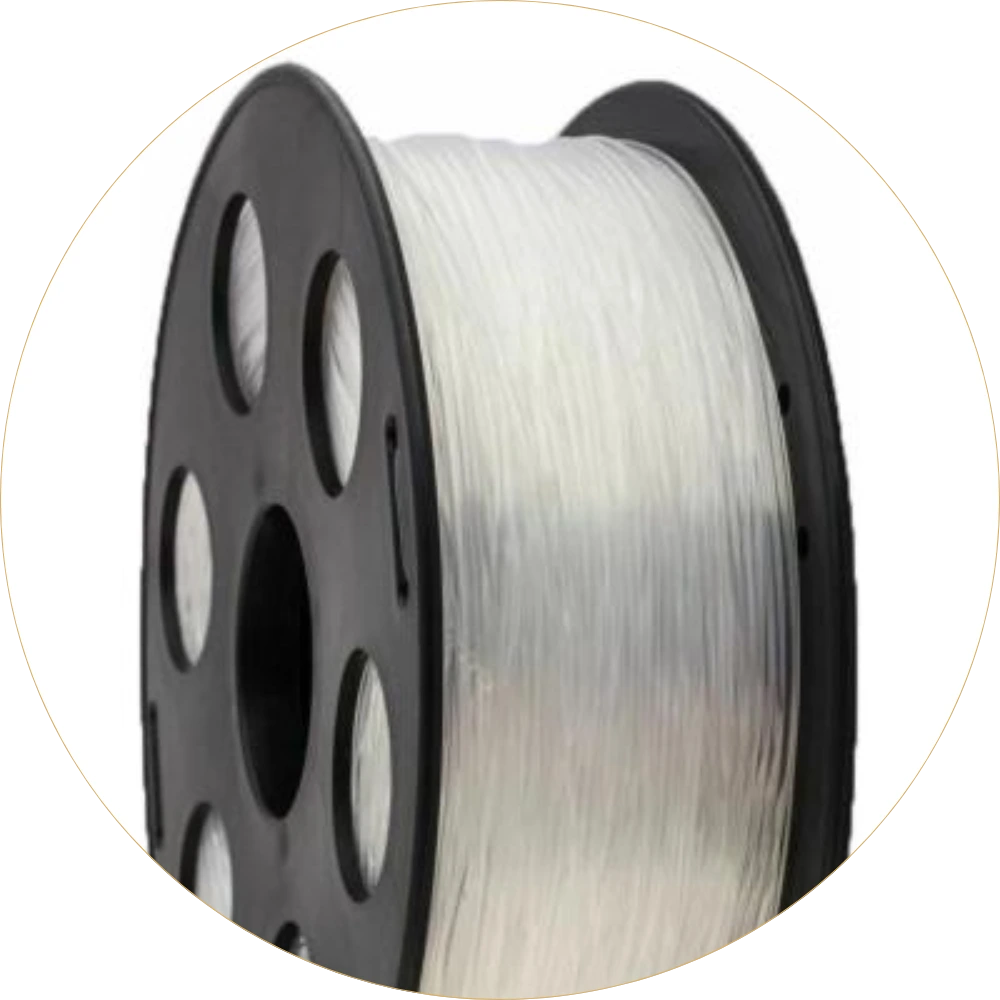 Glass-filled PETG PETGF
-
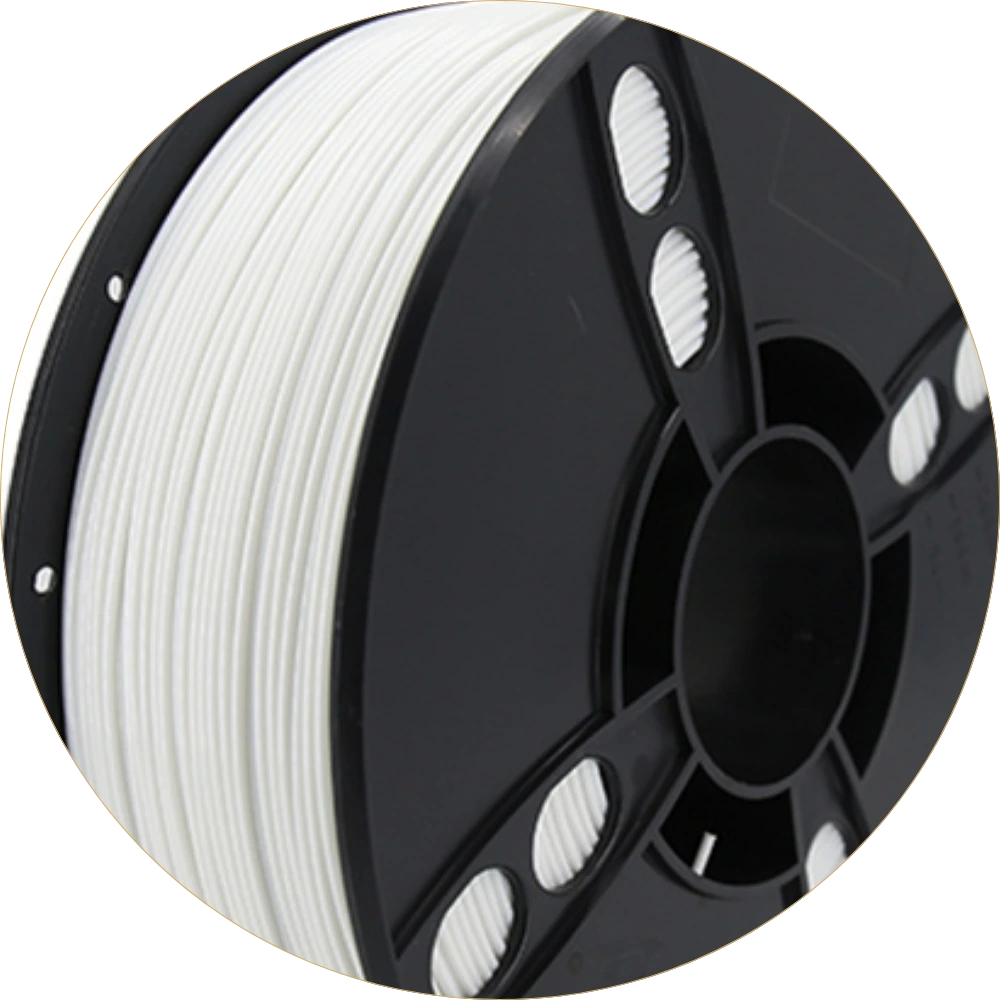 PA Filament
-
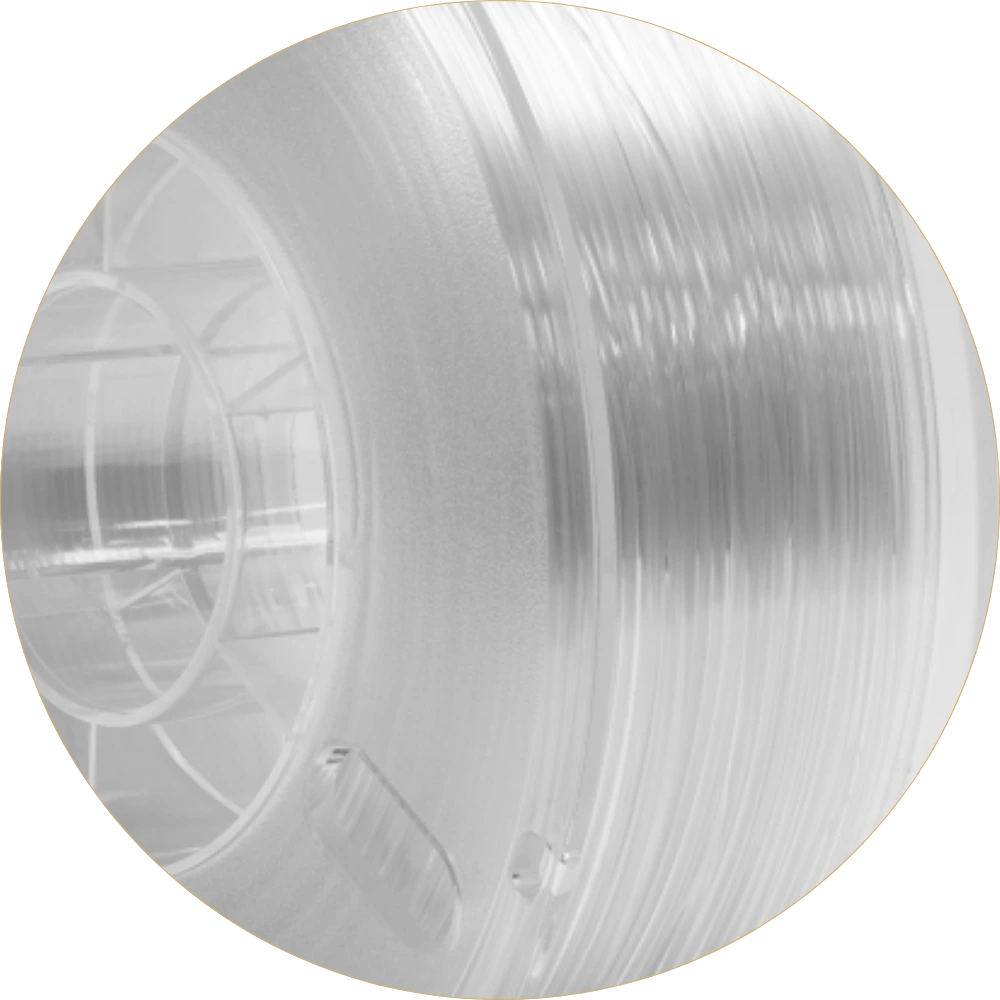 PC
PC
-
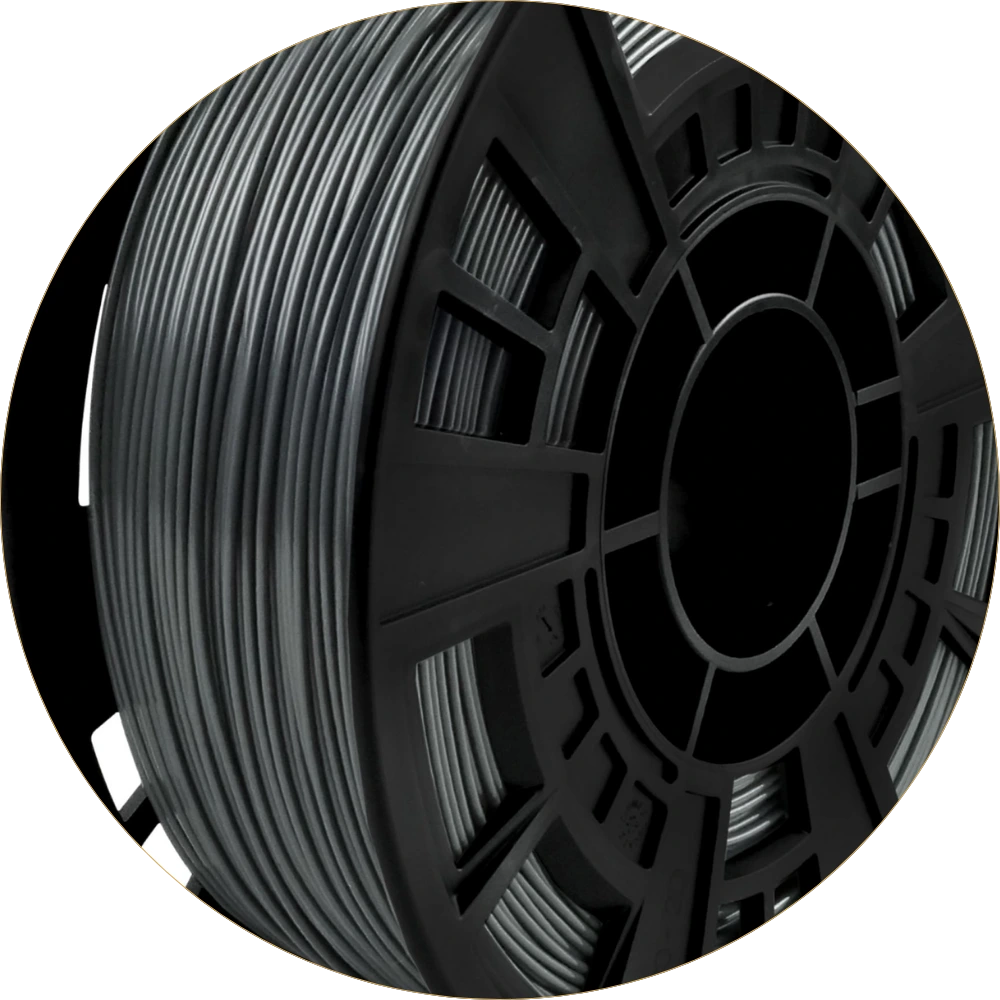 PETG
PETG
Frequently asked questions
What is a continuous fibre 3D printer and how does FibreSeeker 3 differ from standard FDM printers?
A continuous fibre 3D printer embeds continuous reinforcement strands into the print, unlike standard FDM which uses only thermoplastics or short fibres. FibreSeeker 3 produces structural composite parts with significantly higher strength.
What materials can be used in the FibreSeeker 3 continuous fibre 3D printer?
The system supports PLA, PETG, PC, nylon, and reinforced materials, along with continuous carbon and glass fibres for structural applications.
Can the FibreSeeker 3 replace metal parts in engineering applications?
Yes, for many applications requiring high strength-to-weight ratio, FibreSeeker 3 can replace metal components, especially in aerospace, robotics, and automotive use cases.
What industries benefit most from continuous fibre 3D printing?
Aerospace, automotive, robotics, and industrial manufacturing benefit the most due to the need for lightweight, high-strength parts.
Is the FibreSeeker 3 suitable for production or only prototyping?
It is suitable for both. The printer enables functional prototyping and small-batch production of end-use composite parts.
Documents
Videos