
Ti64 Titanium Alloy Powder for Metal 3D Printing | LPBF Compatible – 10 kg / 22 lbs
$1,280
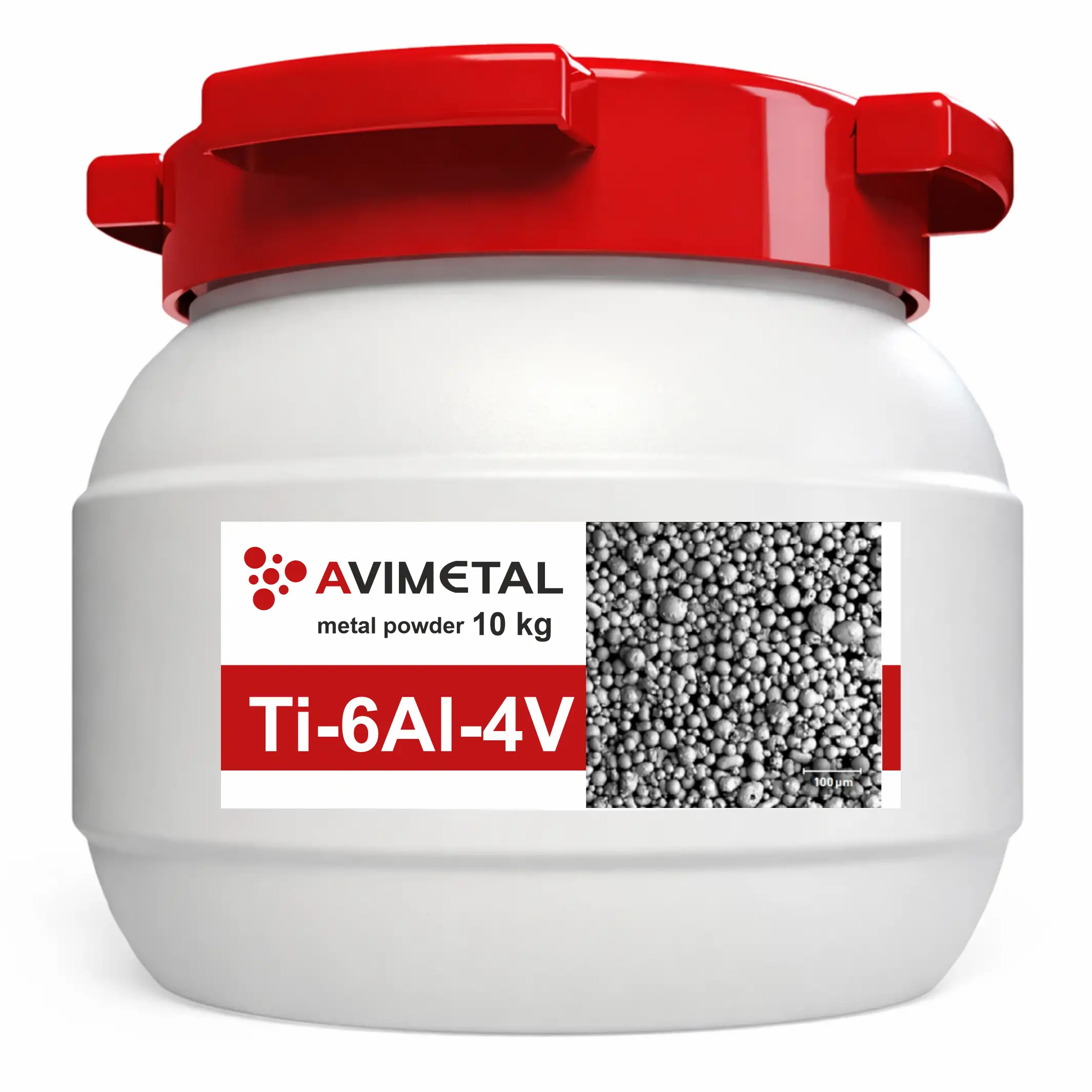
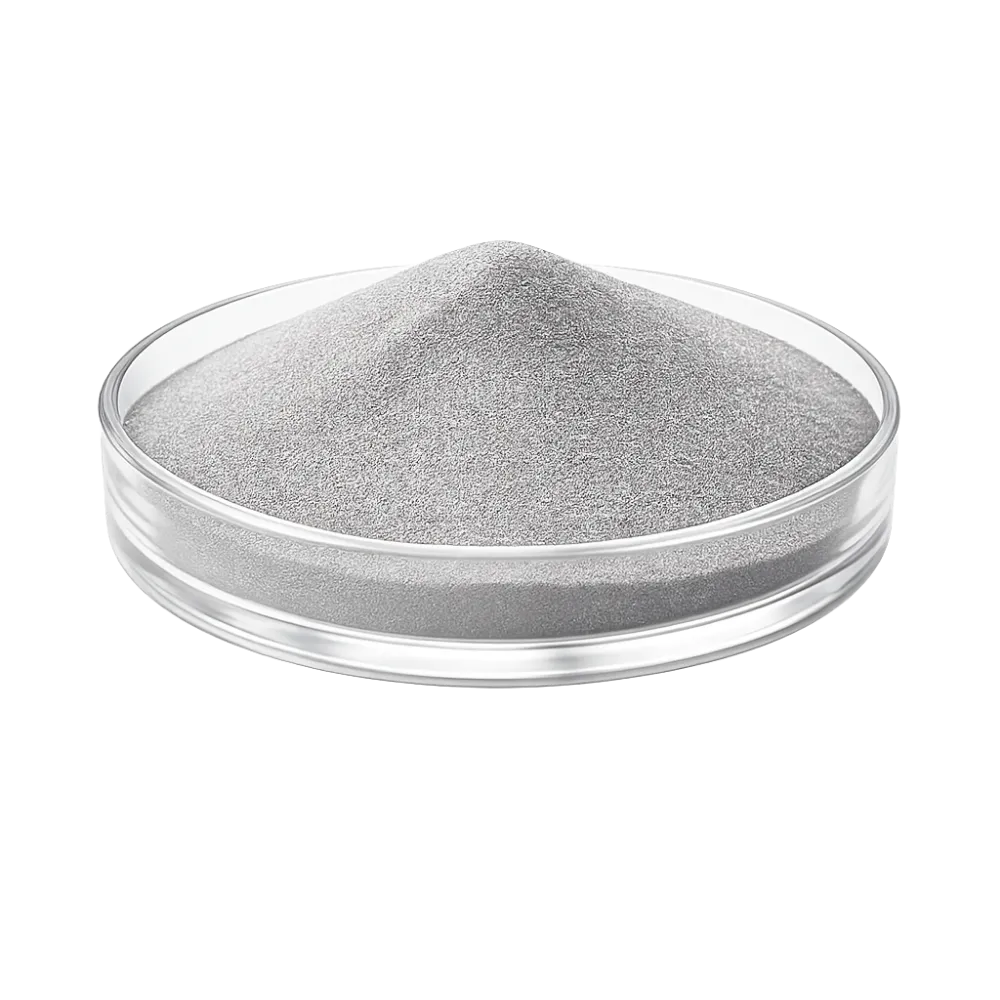
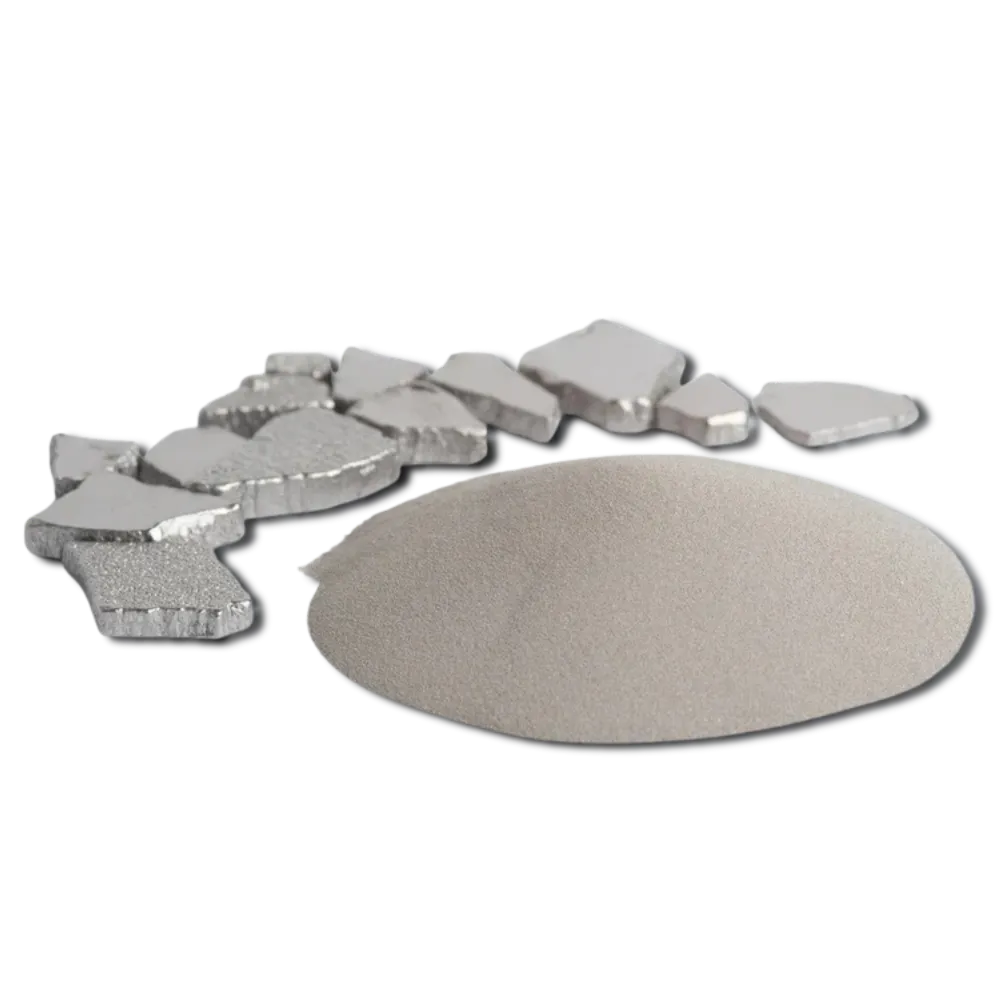
Lightweight Strength. Medical-Grade Purity. Reliable LPBF Performance. Avimetal Ti-6Al-4V Grade 23 is a high-purity titanium alloy powder designed for LPBF / SLM additive manufacturing. Manufactured using Electrode Induction Gas Atomization (EIGA), it delivers spherical particle morphology, controlled oxygen content, and reliable printing behavior—ideal for aerospace, medical, and high-performance industrial applications.
-
Technology:
Metal LPBF
-
Printing Materials:
Metal Powders
-
Production Method:
EIGA (Electrode Induction Gas Atomization)
-
Powder Package:
10 kg bottle
Need more than 100 kg / 222 lbs? Or official request?
Request a quoteGlobal Supply — Powered by Additive Plus.
✔ Cost-effective sourcing from qualified manufacturers, selected by Additive Plus
✔ In-house validated through real AM production workflows
✔ Consistent quality backed by batch-level verification
✔ US-based support with global supply flexibility
✔ Ideal for scalable industrial applications
| Quantity, kg | Per Bottle 10 kg | Per kg |
|---|---|---|
| Ti-6Al-4V Grade 23 (ELI) | ||
| 10-100 | $1420.00 | $142.00 |
| 100+ | $1280.00 | $128.00 |
| Ti-6Al-4V Grade 5 (TC4) | ||
| 10-100 | $1280.00 | $128.00 |
| 100+ | $1150.00 | $115.00 |
- Description
- Details
- Materials
- FAQ
- Documents
- Videos
- Review
Description
Ti-6Al-4V is the most established titanium alloy in additive manufacturing, trusted across aerospace, medical, and industrial sectors. Both Grade 23 and Grade 5 powders are engineered with spherical particle morphology and controlled particle size distributions to ensure stable powder flow, consistent recoating, and repeatable LPBF processing.
Grade 23 (Extra Low Interstitials) offers improved fracture toughness and elongation due to reduced oxygen and interstitial content, making it the preferred choice for medical implants and fatigue-sensitive components. Grade 5, with slightly higher oxygen content, provides increased tensile and yield strength, supporting structural and load-bearing designs.
After heat treatment, printed components exhibit a strong balance of mechanical performance, dimensional stability, and long-term reliability.
| Parameter | Grade 23 | Grade 5 |
|---|---|---|
| Alloy | Ti-6Al-4V ELI | Ti-6Al-4V |
| AM Process | LPBF / SLM | LPBF / SLM |
| Typical Particle Size | 15–53 μm | 15–53 μm |
| Oxygen Content | Lower (ELI) | Higher than Grade 23 |
| Strength Level | High | Very High |
| Ductility | Excellent | Moderate |
| Heat Treatable | Yes | Yes |
machine type:
F – LPBF
Key Performance Benefits
-
Excellent strength-to-weight ratio
-
Stable LPBF processing with consistent flow behavior
-
Corrosion resistant and thermally stable
-
Two grades available to match application requirements
Typical Applications
-
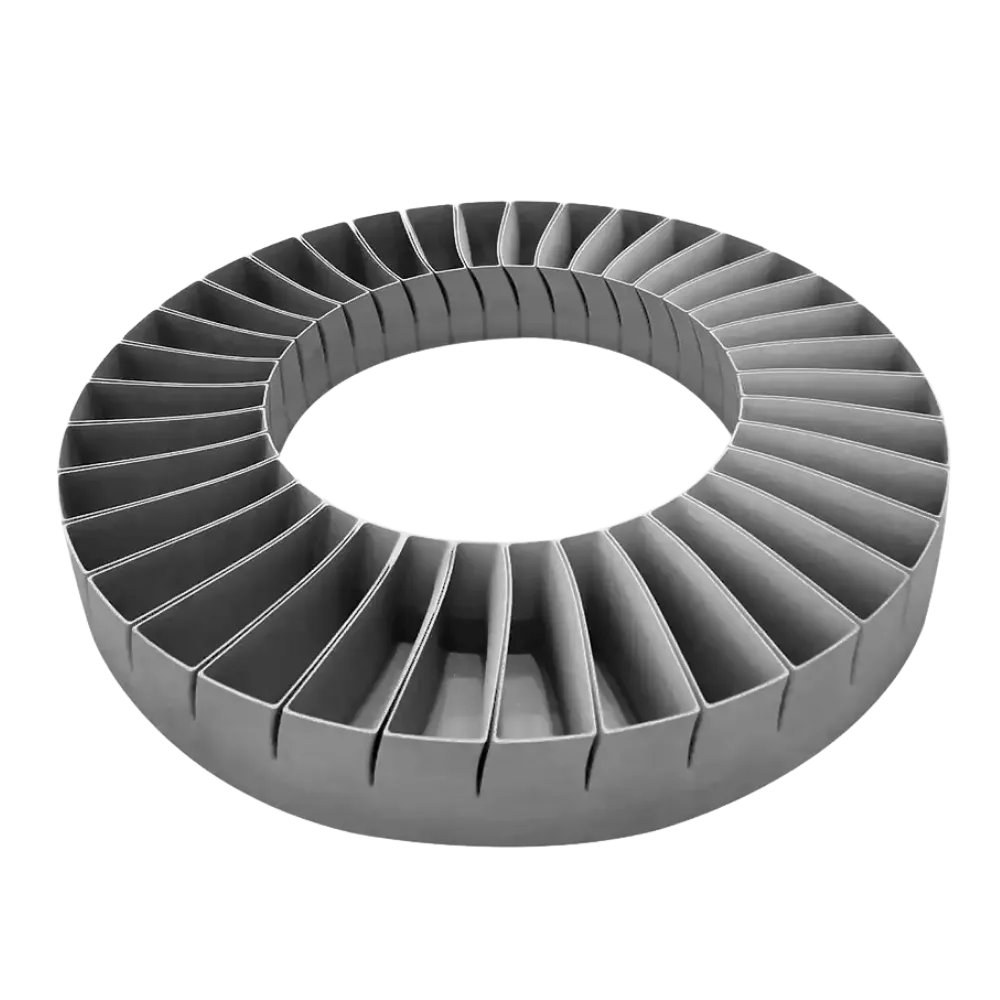
Aerospace structural components
-
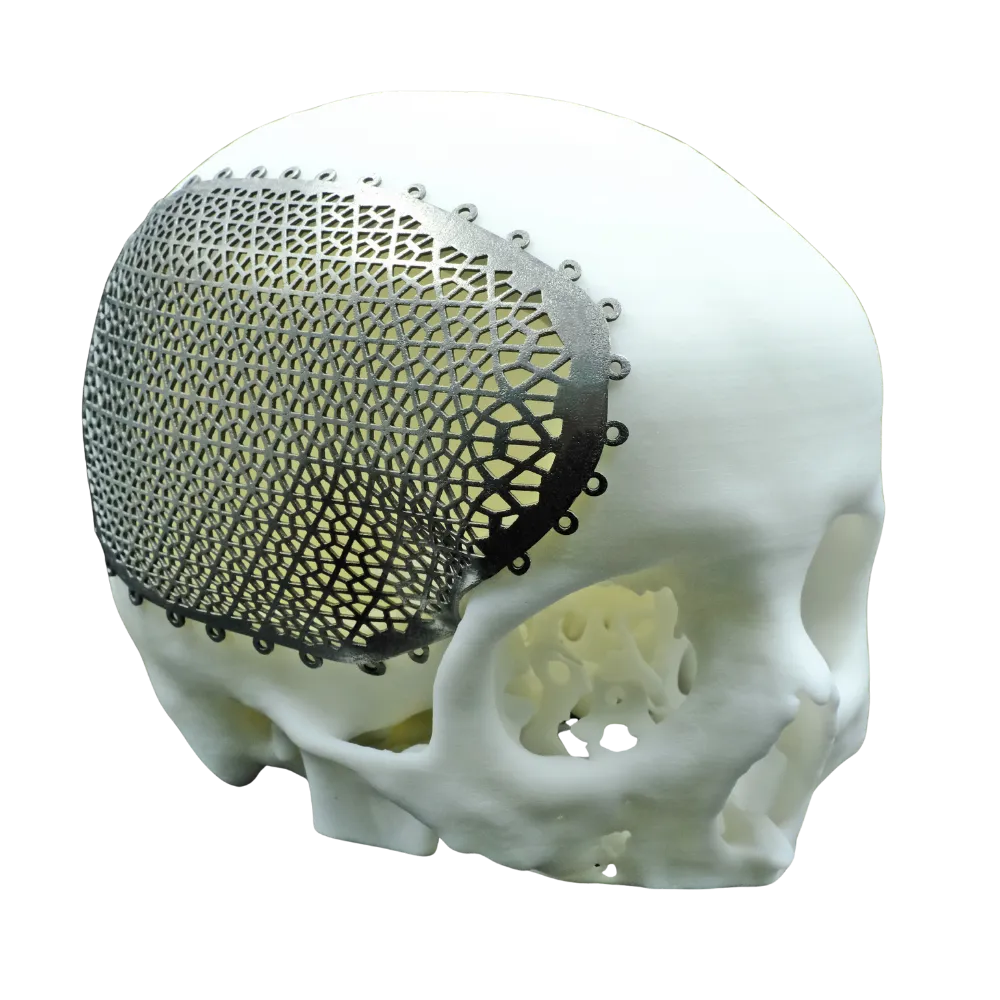
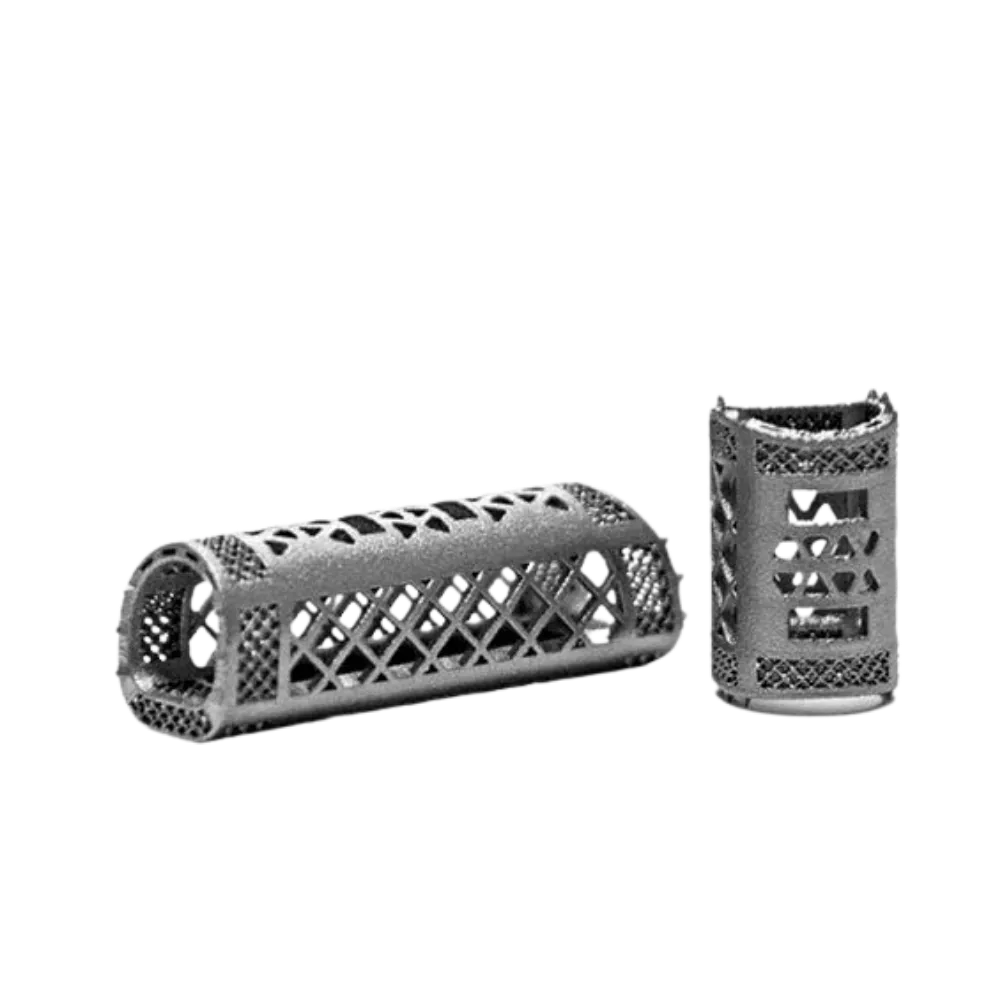
Orthopedic and dental implants
-
Lightweight brackets and housings
-
High-performance mechanical parts
-
Industrial tooling
industries
Automotive / Industrial / Medical / Aerospace / Energy
- Brand Avimetal
- Technology Metal LPBF
- Powder Package 10 kg bottle
- PSD (particle size distribution) 15–53 μm
- Printing Materials Metal Powders
- Material Ti-6Al-4V Grade 23 (ELI), Ti-6Al-4V Grade 5 (TC4)
- Country of origin China
- Production Method EIGA (Electrode Induction Gas Atomization)
Materials
-
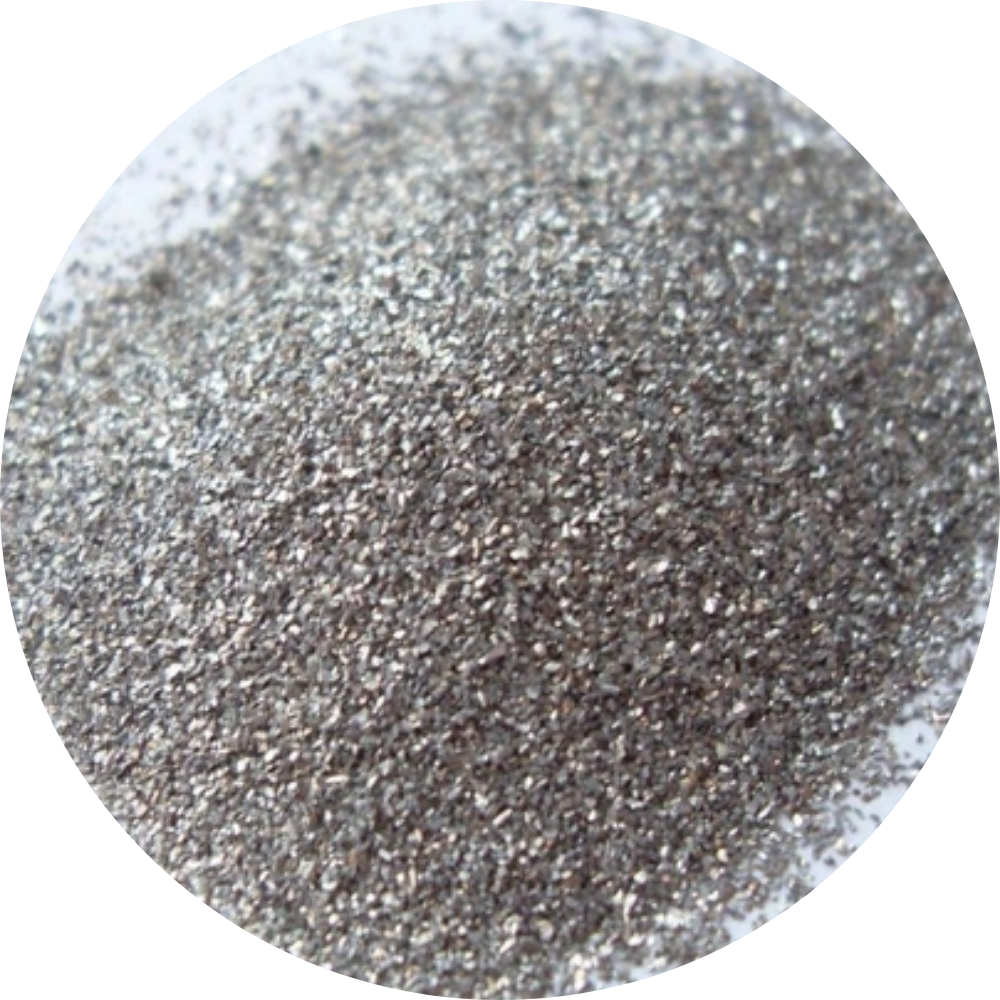 Ti-6Al-4V Grade 23 (ELI)
-
Ti-6Al-4V Grade 5 (TC4)
Frequently asked questions
What is the difference between Ti-6Al-4V Grade 23 and Grade 5?
Grade 23 has lower oxygen and interstitial content, resulting in better ductility and fracture toughness. Grade 5 offers higher strength and hardness, making it suitable for structural applications.
Which grade should I choose for medical applications?
Grade 23 is typically preferred for medical implants due to its enhanced biocompatibility and fatigue performance.
Yes. Both grades are widely used in serial production and qualified AM workflows
Yes. Both grades are widely used in serial production and qualified AM workflows
Can these powders be heat treated after printing?
Yes. Post-processing heat treatments are commonly applied to tailor mechanical properties for specific applications.
Which industries commonly use Ti-6Al-4V in AM?
Aerospace, medical, industrial manufacturing, and energy sectors.
What types of parts are typically produced using Ti64 titanium alloy?
Common applications include implants, surgical instruments, turbine engine components, aircraft and spacecraft parts, and automotive/motorsport components.
Is Ti64 titanium alloy easy to weld and post-process?
Yes. Ti64 supports laser-based additive manufacturing and can be machined, welded, and surface-finished post-production.
Why choose Ti64 titanium alloy over other titanium alloys?
Ti64 titanium alloy offers an optimal combination of high strength-to-weight, corrosion resistance, fatigue resistance, biocompatibility, and additive manufacturing compatibility.
Documents
Videos