
Unlocking the Enduring Versatility of Stainless Steel Alloy: A Comprehensive Guide
The ubiquity of stainless steel alloy in modern infrastructure and consumer products often belies the sophisticated metallurgy behind its enduring performance. Renowned primarily for its exceptional corrosion resistance, this versatile material family owes its unique properties to a precise blend of iron, chromium, and other alloying elements. Far from a monolithic material, stainless steel encompasses a diverse range of compositions, each engineered for specific applications across virtually every industry.
At its core, stainless steel’s “stainless” quality stems from a minimum of 10.5% chromium, which reacts with oxygen to form a passive, self-repairing oxide layer. This fundamental characteristic, combined with the strategic addition of elements like nickel, molybdenum, and manganese, allows for remarkable strength, durability, and aesthetic appeal. From the intricate components of medical devices to the robust structures in chemical processing plants, understanding the nuances of stainless steel alloy is crucial for engineers, designers, and industry professionals seeking optimal material solutions.
This comprehensive guide delves into the intricate world of these indispensable alloys. We will explore their fundamental composition, diverse microstructural families (including austenitic, ferritic, and duplex types), and how these variations dictate mechanical and corrosion performance. Beyond foundational knowledge, we will examine their wide-ranging applications and discuss advanced manufacturing considerations, including additive techniques that utilize specialized stainless steel powders. Finally, we will compare stainless steel with other critical engineering materials such as aluminum alloy, nickel alloy, and copper nickel alloy, highlighting the unique advantages each offers.
Understanding Stainless Steel Alloys: Composition and Core Characteristics
Building upon the initial understanding, stainless steel alloys are fundamentally iron-based compositions distinguished by a crucial element: chromium. This metal must constitute at least 10.5% of the alloy’s weight to confer its signature “stainless” property. The magic of chromium lies in its ability to react with oxygen in the atmosphere, forming an ultra-thin, invisible, and tenacious passive oxide layer on the steel’s surface. This protective shield acts as a self-healing barrier, continuously regenerating if scratched or damaged, effectively preventing corrosion and rust.
Beyond chromium, other alloying elements are meticulously introduced to fine-tune the alloy’s performance. Nickel, for instance, significantly enhances ductility and stability, particularly in austenitic stainless steels. Molybdenum is critical for boosting resistance against pitting and crevice corrosion, especially in chloride-rich environments like seawater. Manganese, silicon, and nitrogen also play roles in strengthening the material and improving its structural integrity. These carefully chosen additions contribute to the multifaceted properties of stainless steel, including its exceptional corrosion resistance, high strength, superior durability, and often, an appealing aesthetic finish.
The journey of creating stainless steel begins in an electric arc furnace (EAF), where various scrap steels and virgin alloys are melted at temperatures exceeding 2800°F. This initial melting stage is followed by precise refining processes, such as Argon Oxygen Decarburization (AOD) or Vacuum Oxygen Decarburization (VOD), which are crucial for reducing carbon content to specific levels and achieving the exact chemical composition required for different grades.
The Diverse Families of Stainless Steel: Properties and Applications Overview
Stainless steel alloys are not a monolithic material but rather a family of distinct microstructures, each engineered for specific performance characteristics and applications. These are broadly categorized into five primary families:
- Austenitic Stainless Steels: These are the most common type, recognized for their excellent corrosion resistance, high ductility, and non-magnetic properties. Examples include the widely used 304 and 316 grades. They are often found in kitchenware, architectural applications, and chemical processing equipment due to their versatility and formability.
- Ferritic Stainless Steels: Characterized by their magnetic properties and good corrosion resistance, ferritic grades are generally more cost-effective than austenitic steels. They are often used in automotive exhausts, appliances, and industrial furnaces where high temperatures and moderate corrosion resistance are required.
- Martensitic Stainless Steels: These alloys are designed for high strength and hardness through heat treatment, making them ideal for applications requiring cutting edges or wear resistance. They are magnetic and are commonly found in surgical instruments, cutlery, and specialized tooling. For demanding industrial applications requiring exceptional hardness, specific materials like Toolsteel 1.2709 offer a specialized solution.
- Duplex Stainless Steels: Combining the best attributes of both austenitic and ferritic structures, duplex steels offer superior strength and enhanced corrosion resistance, particularly against stress corrosion cracking. Their robust performance makes them suitable for harsh environments such as offshore oil and gas, chemical tankers, and pulp and paper industries.
- Precipitation-Hardening (PH) Stainless Steels: These steels achieve very high strength through a unique heat treatment process known as precipitation hardening. They provide an excellent balance of strength, toughness, and corrosion resistance, finding applications in aerospace components, high-performance gears, and other demanding structural parts. An example of such a specialized alloy is the 17-4PH grade, which is also available in forms like ZetaMix 17-4PH Stainless Steel Filament for advanced manufacturing techniques.
Each family’s unique microstructure dictates its suitability for various demands, ensuring that engineers can select the optimal stainless steel alloy for any given challenge.
Deep Dive into Performance: Mechanical and Corrosion Properties
The performance of stainless steel alloys is a critical factor in their widespread adoption, dictated by a combination of their mechanical and corrosion properties.
Mechanical properties, which vary significantly across the different families, include:
- Tensile Strength: The maximum stress a material can withstand before breaking.
- Yield Strength: The stress at which the material begins to deform plastically.
- Hardness: Resistance to indentation and scratching.
- Ductility: The ability of a material to deform under tensile stress without fracturing.
These properties are meticulously tuned through precise alloying compositions and carefully controlled processing steps. For example, hot rolling is a crucial manufacturing process that shapes the alloy into its rough dimensions, such as slabs or billets. This is often followed by annealing, a heat treatment that recrystallizes the microstructure, relieves internal stresses, and improves ductility, making the material more workable. The final cold rolling process further enhances dimensional accuracy and surface finish.
Corrosion resistance is arguably the most celebrated attribute of stainless steel alloys. While chromium provides general protection, resisting oxidation, the addition of molybdenum significantly enhances resistance to localized corrosion phenomena such as pitting and crevice corrosion, particularly in environments rich in chlorides. Furthermore, specific grades are designed to combat stress corrosion cracking, a form of degradation that can occur under tensile stress in corrosive environments. The enduring efficacy of stainless steel against these corrosive challenges is a testament to its engineered composition.

Applications of Stainless Steel Alloys Across Key Industries
The remarkable combination of corrosion resistance, strength, and aesthetic appeal positions stainless steel alloys as indispensable materials across a multitude of key industries. Their versatility allows them to meet stringent demands ranging from hygiene and safety to structural integrity and extreme environment resilience.
- Automotive Industry: Stainless steel is widely used for exhaust systems, catalytic converters, and various decorative trims due to its resistance to heat, corrosion from exhaust gases, and durability.
- Aerospace: High-strength stainless steel grades are critical for aircraft components, structural elements, and fasteners, where reliability and resistance to extreme temperatures and corrosive elements are paramount.
- Medical Devices: The non-reactive, easy-to-sterilize nature of stainless steel makes it the material of choice for surgical instruments, implants, and hospital equipment, ensuring patient safety and hygiene.
- Food Processing: From large-scale food production lines to domestic kitchen appliances, stainless steel sheets and components are essential for storage tanks, processing equipment, and utensils. Its non-porous surface prevents bacterial growth and chemical reactions with food.
- Construction: Structural elements, cladding, roofing, and decorative finishes in modern architecture often utilize stainless steel for its strength, weather resistance, and contemporary appearance.
- Chemical Engineering: Reactors, pipelines, and storage vessels in chemical plants rely on the exceptional corrosion resistance of specific stainless steel grades to handle aggressive chemicals and high temperatures without degrading.
These diverse applications underscore the adaptability of stainless steel, performing reliably in demanding conditions where other materials might fail.
Advanced Manufacturing Considerations for Stainless Steel Alloys
The fabrication of stainless steel alloys involves a sophisticated array of manufacturing processes, each tailored to the material’s specific properties and the desired end product. Traditional methods include welding, where different techniques are employed depending on the alloy type; forming, which shapes the metal through bending or pressing; and machining, for precise part creation.
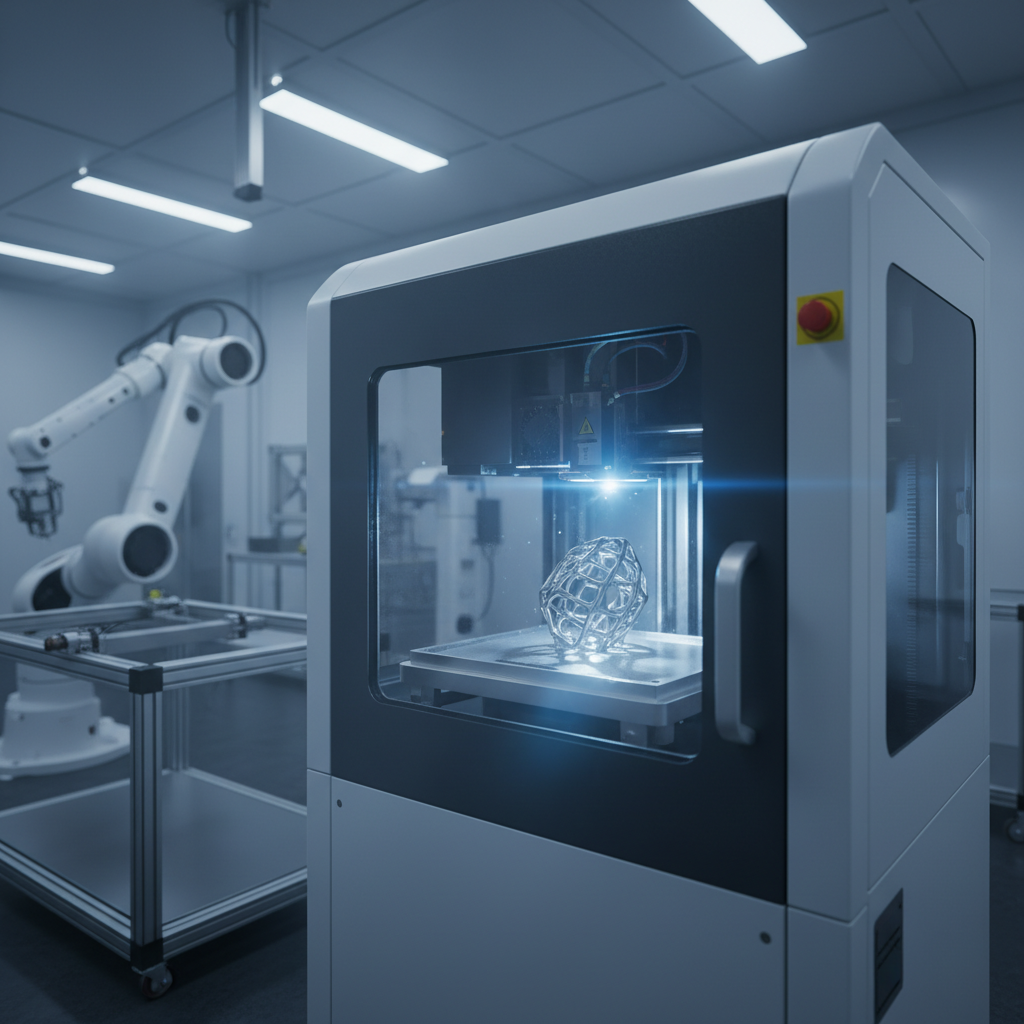
In recent years, additive manufacturing, commonly known as 3D printing, has revolutionized the production of complex stainless steel components. This technology utilizes metal powder as its feedstock, selectively melting or binding layers to construct intricate geometries that are impossible to achieve with traditional methods. The meticulous characterization of these metal powders, often through techniques like those discussed for Camsizer technologymetal, is crucial for ensuring the quality and consistency of 3D printed parts. For example, Stainless Steel Powders (SS316L) are a common material used in processes such as metal binder jetting vs dmls for rapid prototyping and production. Utilizing such advanced processes for rapid prototyping with 3D printing allows for quicker iterations and innovative designs, even enabling large scale 3D printing of robust components. These advanced methods also leverage specialized equipment like Selective Laser Sintering (SLS) 3D printers for precision manufacturing, as explored in guides on Selective Laser Sintering (SLS) 3D printing technology.
The core manufacturing process for bulk stainless steel typically follows these steps:
- Melting: Scrap steel and various alloys are melted in an Electric Arc Furnace (EAF).
- Refining: Argon Oxygen Decarburization (AOD) or Vacuum Oxygen Decarburization (VOD) reduces carbon content and fine-tune the alloy’s chemistry.
- Casting: The refined molten metal is continuously cast into solid forms like slabs, billets, or blooms.
- Hot Rolling: These cast forms are heated above their recrystallization temperature and rolled into rough dimensions, such as sheets or bars.
- Annealing: The material is heat-treated to relieve internal stresses, improve ductility, and restore its microstructure.
- Descaling: Surface oxides are removed through pickling (using nitric-hydrofluoric acid) or electro-cleaning to achieve a clean, shiny finish.
- Cold Rolling: For applications requiring precise dimensions and a smoother surface finish, the material undergoes cold rolling.
- Finishing: Further surface treatments, polishing, or cutting to final dimensions are performed.
These manufacturing steps, combined with additive techniques using specialized materials like EOS M400 3D Printer Metal Build Plate SS316 Stainless Steel and its single-plate variant EOS M400 3D Printer Metal Build Plate SS316 Stainless Steel (1 plate), ensure the production of high-quality stainless steel products tailored for diverse industrial needs.
Comparing Stainless Steel with Other Essential Engineering Alloys
While stainless steel alloy stands out for its unique combination of properties, other engineering alloys also play critical roles due to their specialized characteristics. Understanding these differences helps in selecting the optimal material for specific applications.
| Alloy Type | Key Differences from Stainless Steel |
|---|---|
| Aluminum alloy | Significantly lighter with a high strength-to-weight ratio, making it ideal for aerospace and transportation where weight reduction is crucial. However, it generally exhibits lower corrosion resistance compared to stainless steel in many environments, lacking the self-healing chromium oxide layer. |
| Nickel alloy | Known for superior performance at extreme temperatures (often exceeding 1000°C) and in highly aggressive corrosive environments. These superalloys are indispensable in applications like jet engine turbines and chemical processing plants, where they far outperform stainless steel. |
| Copper nickel alloy | Valued for its exceptional resistance to biofouling and seawater corrosion. It is widely used in marine and offshore applications, such as ship hulls, piping systems, and heat exchangers, where its specialized properties provide distinct advantages over the broader utility of stainless steel. |
Each of these alloys offers a unique set of advantages, making them indispensable in their respective domains. Stainless steel, however, maintains its position as a highly versatile and widely adopted material due to its balanced properties and adaptability across numerous sectors.
The ongoing evolution in manufacturing, including advanced 3D printing techniques and sophisticated processing controls, continues to expand the capabilities and applications of stainless steel alloys. Their foundation in recycled materials also supports sustainable engineering practices, ensuring their enduring importance in the materials landscape. We’ve explored the intricate composition, diverse families, robust performance, and manufacturing complexities of these remarkable materials. Now, let us delve into more accessible insights, uncovering simplified distinctions between types and ubiquitous applications in our daily lives.
The Science Behind the Shield: Unpacking Stainless Steel’s Advanced Metallurgy
While we’ve touched upon chromium’s role, the true genius of a stainless steel alloy lies in its intricate metallurgical dance. It’s not just about adding chromium; it’s about precisely balancing multiple elements to engineer specific atomic structures that dictate performance. The chromium, upon exposure to oxygen, swiftly forms an ultrathin, yet incredibly durable, passive layer of chromium oxide. This isn’t a mere coating; it’s an integral part of the metal’s surface that continuously self-repairs, even if scratched, ensuring unparalleled corrosion resistance.
But the story doesn’t end with chromium. Consider nickel, a crucial alloying element, particularly in austenitic stainless steels (like 304 and 316). Nickel stabilizes the austenitic microstructure, making these stainless steel alloys non-magnetic, highly ductile, and exceptionally tough, even at cryogenic temperatures. This makes them indispensable in applications from medical implants to liquefied natural gas (LNG) storage tanks where material integrity under extreme cold is paramount. Without the precise inclusion of elements like nickel, the desirable properties we associate with common stainless steels wouldn’t exist.
Further enhancing this complex recipe, molybdenum is added to combat pitting and crevice corrosion, particularly in chloride-rich environments like seawater or chemical processing plants. This is because molybdenum alters the electron structure of the passive layer, making it more stable and resistant to localized attacks. Nitrogen also plays a dual role, improving both strength and resistance to pitting, especially in high-performance duplex stainless steel alloys. Understanding these synergistic effects is key to selecting the optimal stainless steel alloy for a given engineering challenge.
Engineered Microstructures: Tailoring Performance for High-Stakes Applications
The diverse families of stainless steel alloys aren’t just arbitrary classifications; they represent distinct microstructures engineered for specific operational demands.
- Austenitic Stainless Steels: Beyond their general versatility, their excellent formability and weldability make them go-to materials for everything from intricate architectural features to hygienic food processing equipment. Grades like 316, with its added molybdenum, are crucial for marine environments and pharmaceutical applications where enhanced pitting and crevice corrosion resistance is vital.
- Duplex Stainless Steels: These are a marvel of metallurgical engineering, combining the best attributes of both austenitic and ferritic structures. The balanced microstructure provides significantly higher tensile and yield strength than standard austenitic grades, coupled with superior stress corrosion cracking resistance. This makes them ideal for demanding sectors like offshore oil and gas, chemical tankers, and desalinization plants, where extreme pressures and corrosive media are common.
- Martensitic and Precipitation Hardening (PH) Stainless Steels: When sheer strength and hardness are non-negotiable, these families come to the fore. Martensitic steels, such as the 400 series, can be heat-treated to achieve very high hardness, making them suitable for blades, surgical instruments, and wear-resistant components. Precipitation-hardening steels, like the 17-4PH grade, offer a remarkable combination of high strength and good corrosion resistance after specific heat treatments. For advanced additive manufacturing applications requiring these properties, specialized materials such as a ZetaMix 17-4PH Stainless Steel Filament allow for the creation of complex, high-strength parts. These alloys demonstrate how careful control over composition and thermal processing can unlock extraordinary mechanical properties.
Advanced Manufacturing: Forging the Future of Stainless Steel
The journey of stainless steel alloy from raw materials to finished product is a sophisticated dance of high-temperature processes and precise control. After initial melting in an Electric Arc Furnace (EAF), the molten metal undergoes crucial refining steps like Argon Oxygen Decarburization (AOD) or Vacuum Oxygen Decarburization (VOD). These processes meticulously reduce carbon content, which is critical for maintaining corrosion resistance, especially after welding, and for achieving the desired mechanical properties without making the steel brittle. This fine-tuning of chemistry is what differentiates a standard grade from a high-performance variant.
Once refined, the liquid metal is cast into semi-finished forms (slabs, billets, blooms) before undergoing hot rolling, which shapes it into rough dimensions. Subsequent annealing—a carefully controlled heat treatment—recrystallizes the microstructure, relieving internal stresses and restoring ductility, making the material easier to work with. Descaling, often through pickling with acids or electro-cleaning, removes surface impurities and prepares the material for further processing or for its final, pristine finish. For applications demanding extreme precision or complex geometries, cold rolling may follow to achieve tighter tolerances and a smoother surface.
Modern manufacturing takes this a step further with additive techniques. Technologies like binder jetting or laser powder bed fusion utilize fine metal powder to build intricate components layer by layer. This allows for designs previously impossible with traditional methods, reducing material waste and lead times. For example, precision-engineered stainless steel powders like SS316L are critical feedstocks for these advanced manufacturing processes, enabling the creation of custom parts for everything from aerospace to medical implants. Even the foundational elements within these additive machines benefit from superior stainless steel alloys; specialized components like an EOS M400 3D printer metal build plate made from SS316 stainless steel provide the stable, precise base required for successful builds.
Here’s a close-up, high-definition shot of a pristine, polished stainless steel surface. A subtle, almost translucent, shimmering protective force field visibly hovers just above the metal, causing tiny water droplets and microscopic air particles to bounce harmlessly off it. On one part of the surface, a small, hairline scratch is clearly visible, but it is rapidly and smoothly disappearing, as if healing itself, demonstrating the steel’s self-repairing properties thanks to this protective layer. The lighting is clean and scientific, highlighting the metal’s sleekness.
Strategic Selection: Stainless Steel in the Broader Alloy Landscape
While stainless steel alloys offer a formidable combination of properties, their selection in engineering design is often a strategic decision within a broader landscape of specialized materials. Understanding when stainless steel excels and when other alloys might be a more suitable choice is crucial for optimal performance and cost-efficiency.
For instance, an aluminum alloy is undeniably superior where weight is the absolute primary concern. Its high strength-to-weight ratio makes it indispensable in aerospace and high-speed transportation. However, its general corrosion resistance, while good in many atmospheric conditions, pales in comparison to the active passivation of stainless steel, especially in acidic or chloride-rich environments. The absence of a self-healing chromium oxide layer means aluminum often requires additional coatings or anodizing for long-term protection.
When extreme temperatures or aggressively corrosive chemicals are involved, a nickel alloy often surpasses stainless steel alloy. Superalloys based on nickel are designed to retain their strength and integrity at temperatures exceeding 1000°C, conditions where stainless steel would significantly creep or fail. These alloys are the workhorses of jet engines, gas turbines, and specialized chemical reactors where the operational environment is too hostile for even the most robust stainless steel. Their higher cost is justified by their unique performance envelope in these critical applications.
Similarly, a copper nickel alloy occupies a niche where biofouling resistance and exceptional performance in seawater are paramount. For marine piping systems, offshore platforms, and heat exchangers that are directly exposed to biological growth and corrosive saltwater, copper-nickel alloys excel due to their natural antimicrobial properties and superior resistance to pitting and crevice corrosion in this specific medium. While certain stainless steel grades (like duplex or super austenitic) perform well in marine settings, copper-nickel alloys often provide a more targeted, and sometimes more cost-effective, solution for specific seawater applications. Even within the steel family, for applications demanding extreme hardness and wear resistance, a specialized toolsteel like 1.2709 might be chosen over a stainless variant.
Ultimately, the choice of a stainless steel alloy versus an aluminum alloy, nickel alloy, or copper nickel alloy hinges on a detailed evaluation of environmental factors, mechanical loads, temperature profiles, required lifespan, and budget. Stainless steel’s enduring appeal lies in its remarkable balance of corrosion resistance, strength, and workability, making it the default choice for an incredibly wide array of industrial and consumer applications where this balance provides the most value. However, true engineering mastery involves recognizing the specific limitations and strengths of each material to select the optimal solution for every unique challenge.
Conclusion
The journey through the intricate world of stainless steel alloys reveals a material not merely defined by its chromium content, but by an unparalleled balance of properties. From the common household item to critical industrial components, its superior corrosion resistance, remarkable strength, and diverse metallurgical families—whether austenitic, ferritic, or duplex—underscore its enduring utility. Unlike other specialized engineering materials such as aluminum, nickel, or copper-nickel alloys, stainless steel offers a uniquely versatile solution across countless applications.
Looking ahead, the evolution of stainless steel is intrinsically linked with advanced manufacturing. Innovations like additive manufacturing, utilizing specialized stainless steel powders (SS316L) and 17-4PH stainless steel filament, are pushing the boundaries of what’s possible. These cutting-edge techniques enable the creation of complex parts with precision, often built on robust platforms such as an EOS M400 3D Printer Metal Build Plate (SS316 Stainless Steel). The ability to work with precise compositions, like those found in advanced toolsteel 1.2709 for demanding applications, ensures its continued relevance.
Ultimately, the stainless steel alloy stands as a testament to material science, a truly indispensable component of modern engineering. Its inherent recyclability, combined with ongoing advancements in processing and application, ensures its vital role in building a sustainable and technologically forward future. Its impact, from everyday life to the frontiers of innovation, remains profound and ever-expanding.
Frequently asked questions
What is the primary reason stainless steel alloys resist rust?
The key to stainless steel alloy's rust resistance is its chromium content, which must be at least 10.5%. Chromium reacts with oxygen to form a thin, passive, self-repairing oxide layer on the surface. This invisible shield actively prevents corrosion and further oxidation, distinguishing it from regular steel.
How do stainless steel alloys compare to aluminum alloys in terms of performance?
Aluminum alloys are significantly lighter than stainless steel, offering an excellent strength-to-weight ratio often preferred in aerospace and automotive applications where weight is critical. However, stainless steel generally provides superior corrosion resistance in many aggressive environments due to its stable chromium oxide layer, which aluminum alloys lack.
What are the main families of stainless steel, and where are they typically used?
Stainless steels are categorized into five main families based on their microstructure: Austenitic: Non-magnetic, ductile, and versatile (e.g., 304 grade for kitchenware, general use). Ferritic: Magnetic, cost-effective, offering good corrosion resistance (e.g., automotive exhausts). Martensitic: Hardenable, high strength, used for tools and knives. Duplex: Combines austenitic and ferritic properties for superior strength and corrosion resistance in harsh environments. Precipitation-Hardening (PH): Offers very high strength through heat treatment, used in aerospace. For specialized applications requiring high strength through additive manufacturing, materials like 17-4PH stainless steel filament are available.
Why is nickel often added to stainless steel, and how does it relate to nickel alloys?
Nickel is a crucial alloying element often added to stainless steel, especially in austenitic grades like 304, to enhance their stability, ductility, and corrosion resistance. While stainless steel alloys are excellent for general-purpose corrosion resistance, pure nickel alloy compositions, often referred to as superalloys, are engineered for extreme temperatures (over 1000°C) and highly aggressive corrosive conditions, outperforming stainless steel in these specific harsh environments.
How are complex stainless steel parts manufactured today?
Traditional manufacturing involves melting scrap and alloys in an electric arc furnace (EAF), refining with processes like Argon Oxygen Decarburization (AOD), and then hot and cold rolling. For complex geometries and custom designs, additive manufacturing (3D printing) is increasingly used. This method utilizes specific metal powder feedstock, such as stainless steel powders like SS316L, which are precisely melted layer by layer by a laser to build intricate parts. Specialized equipment, like an EOS M400 3D printer metal build plate in SS316 stainless steel, supports this advanced fabrication.
What advantages do copper nickel alloys offer over stainless steel in specific environments?
While stainless steel is broadly versatile, copper nickel alloys excel in marine and offshore applications. They provide superior resistance to biofouling (the accumulation of marine organisms) and excellent seawater corrosion performance, making them ideal for pipes, heat exchangers, and other components exposed to saltwater where stainless steel might suffer pitting or crevice corrosion.
Is stainless steel a sustainable material?
Yes, stainless steel is considered highly sustainable. It is 100% recyclable and can be melted down and re-formed into new products without loss of quality. The production process itself heavily relies on recycled scrap steel, which reduces the demand for virgin raw materials and minimizes environmental impact. This makes stainless steel alloys a responsible choice for advanced engineering and manufacturing.
Have a question or a project? Let’s talk.
Tell us what you need — a real applications engineer replies within 24 hours. NDA standard, no sales script.