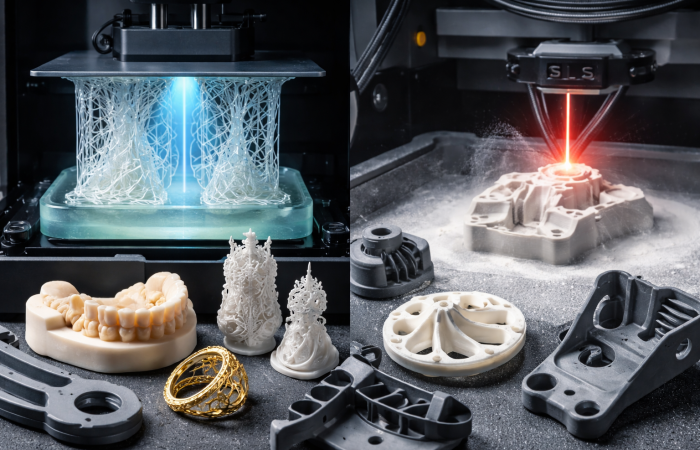
1. Introduction Additive manufacturing, commonly known as 3D printing, has fundamentally transformed modern product development,…
Polyamide vs. Nylon: Key Differences, Strengths, and Best Uses
Polyamide and nylon are often used interchangeably, leading to confusion about their differences. Both materials are widely used in various industries, from textiles to automotive applications. Understanding the differences between polyamide and nylon is essential for selecting the right material for specific applications. While both share similar properties, their distinct characteristics make them suitable for different purposes. By exploring their structure, properties, and applications, we can gain a deeper insight into the best use cases for each material.
What is Polyamide?
Polyamide refers to a class of synthetic polymers containing amide bonds. These materials are known for their strength, durability, and resistance to chemicals and wear. The polyamide structure consists of repeating units linked by amide groups (-CONH-), contributing to its excellent mechanical properties. Due to its strong intermolecular forces, polyamide exhibits high tensile strength and impact resistance, making it a valuable material for industries requiring durable and long-lasting components. Additionally, polyamide is highly resistant to wear and tear, which is why it is commonly used in applications that demand mechanical strength and chemical stability.
- Types of Polyamide:
- PA6 (Polyamide 6): Known for its toughness, good impact resistance, and ease of processing, PA6 is a popular choice in the automotive and textile industries. It provides excellent mechanical strength while maintaining flexibility, making it ideal for producing durable fibers and engineering components.
- PA66 (Polyamide 6,6): Offers a higher melting temperature and better abrasion resistance than PA6. Due to its superior thermal stability, PA66 is used in demanding applications such as industrial machinery, under-the-hood car parts, and other high-heat environments.
- Other Polyamides: Includes PA11, PA12, and high-performance polyamides such as PPA (polyphthalamide), which provide enhanced thermal and chemical resistance. These variants cater to specialized applications that require improved resistance to high temperatures, aggressive chemicals, or extreme wear.
Polyamide (PA) in 3D Printing
Key Applications:
- Functional Prototypes – High-strength and durable parts for testing and validation.
- End-Use Parts – Used in industries like automotive, aerospace, and healthcare.
- Complex Geometries – Enables intricate designs with high accuracy.
- Gears & Hinges – Provides wear resistance and flexibility for moving components.
- Housings & Enclosures – Lightweight yet strong for protective casings.
Benefits of PA in 3D Printing:
- High Strength & Durability – Suitable for mechanical applications.
- Chemical & Wear Resistance – Ensures long-term performance.
- Lightweight & Flexible – Ideal for parts requiring impact resistance.
What is Nylon?
Nylon is a specific type of polyamide, first developed in the 1930s as the first synthetic fiber. The term “nylon is polyamide” is correct, but not all polyamides are nylons. Nylon polyamide materials are widely used for their strength, flexibility, and resistance to abrasion. Due to its ability to withstand wear and tear while maintaining elasticity, nylon has become one of the most versatile synthetic polymers available. Nylon fibers are lightweight yet strong, making them a preferred choice for various applications, from clothing to industrial components. The polymer’s resistance to chemicals and UV exposure further enhances its versatility in different environments.
-
KSPA12BK Nylon Powder – High-Performance Black SLS Printing Material for Durable Parts
Cost per kg: $75. Cost per pound: $34 The plastic nylon powder is supplied in a packaging of 10 kg/22.05...
-
Compatible platform:
SLS
-
Type:
Plastic Nylon Powders
-
Compatible platform:
-
PA12 Nylon Powder SLS Material – In Stock in CA, Ships from Los Angeles
Looking for a reliable, high-performance nylon powder at an unbeatable price? KSPA12 is a premium PA12 nylon powder designed for...
-
Compatible platform:
SLS
-
Type:
Plastic Nylon Powders
-
Compatible platform:
-
KSPA12GB Nylon Powder – High-Performance SLS 3D Printing Material for Precision Applications
Cost per kg: $75. Cost per pound: $34 The plastic nylon powder is supplied in a packaging of 10 kg/22.05...
-
Compatible platform:
SLS
-
Type:
Plastic Nylon Powders
-
Compatible platform:
Explore industrial-grade polyamide and nylon powders engineered for high strength, precision, and reliable performance in PBF 3D printing applications.
Types of Nylon:
- Nylon 6: Produced from caprolactam, offering good toughness and impact resistance. It is widely used in engineering plastics and textile applications due to its excellent balance of strength, flexibility, and ease of processing.
- Nylon 6,6: Created from hexamethylene diamine and adipic acid, known for a higher melting point and improved strength. This type of nylon is highly valued in industrial and engineering applications, as it provides superior thermal resistance and mechanical performance.
Common Applications of Nylon:
- Consumer Goods: Found in clothing, carpets, and upholstery due to its elasticity and durability. Nylon fabrics are soft, lightweight, and resistant to abrasion, making them ideal for garments and home textiles.
- Engineering Applications: Used in machine parts, fasteners, gears, and other mechanical components. Nylon’s high strength-to-weight ratio makes it a reliable material for structural components in machinery and equipment.
- Packaging: Commonly used in food containers and films due to its excellent barrier properties. Nylon packaging helps preserve the freshness of food by providing a strong moisture and oxygen barrier.
Key Differences Between Polyamide and Nylon
Understanding the difference between polyamide and nylon requires analyzing their chemical composition and manufacturing processes. While both belong to the same family of synthetic polymers, nylon is a specific subset of polyamide with unique properties.
- Chemical Structure and Composition:
- Polyamide Structure: Contains repeating amide (-CONH-) groups, forming long chains of molecules that provide excellent mechanical strength and chemical stability.
- Nylon Structure: A subset of polyamide with a specific arrangement of molecular chains, tailored to provide enhanced elasticity and wear resistance.
- Origin and Manufacturing Processes:
- Polyamide: Can be derived from both natural (e.g., wool, silk) and synthetic sources, giving it a broader classification.
- Nylon: Entirely synthetic, produced through the polymerization of specific chemical compounds. It was originally developed as a replacement for silk, offering enhanced durability and affordability.
Discover GF TPU 23, a flexible and durable 3D printing material designed for impact-resistant, elastic, and functional PBF-printed parts.
Strengths of Polyamide
Polyamide is valued for its superior mechanical properties, making it a preferred material in demanding applications. It offers exceptional durability and wear resistance, allowing it to withstand high levels of stress and impact. Its resistance to chemicals and abrasion makes it suitable for industrial environments where exposure to harsh substances is common. However, one of its notable drawbacks is its high moisture absorption, which can affect its mechanical properties over time. Despite this, polyamide remains an essential material in industries requiring high-performance polymers.
Strengths of Nylon
Nylon’s high strength-to-weight ratio makes it an excellent choice for applications that require both durability and flexibility. Unlike polyamide, nylon absorbs less moisture, making it more stable in humid environments. Additionally, its flexibility and elasticity allow it to be used in textiles and engineering applications where resilience is essential. Nylon also provides good UV resistance, making it suitable for outdoor applications that require long-term exposure to sunlight.
Conclusion
Understanding the difference between polyamide and nylon helps in selecting the right material for specific applications. While nylon is polyamide, the two materials have distinct properties and uses. By considering factors such as strength, flexibility, and moisture absorption, you can make an informed decision for your project needs. Both materials offer unique advantages, and their selection should be based on the requirements of the intended application to ensure durability, performance, and cost-effectiveness.
Explore What’s New in 3D Printing
Join Additive Plus at RAPID + TCT 2025 for the Launch of AO Metal 3D Printers
TPR vs TPE: Understanding the Differences and Choosing the Right Material
Additive Plus Joins Axtra3D as Official Professional Reseller
316 vs 304 Stainless Steel: Which One Is Best for Your Project?
3D Printing Troubleshooting: Common 3D Printing Issues and How to Fix Them
Related Posts
Ashkhen Ovsepyan
Additive manufacturing expert and tech business leader, focused on global strategy, innovation, and advancing women in 3D printing.