
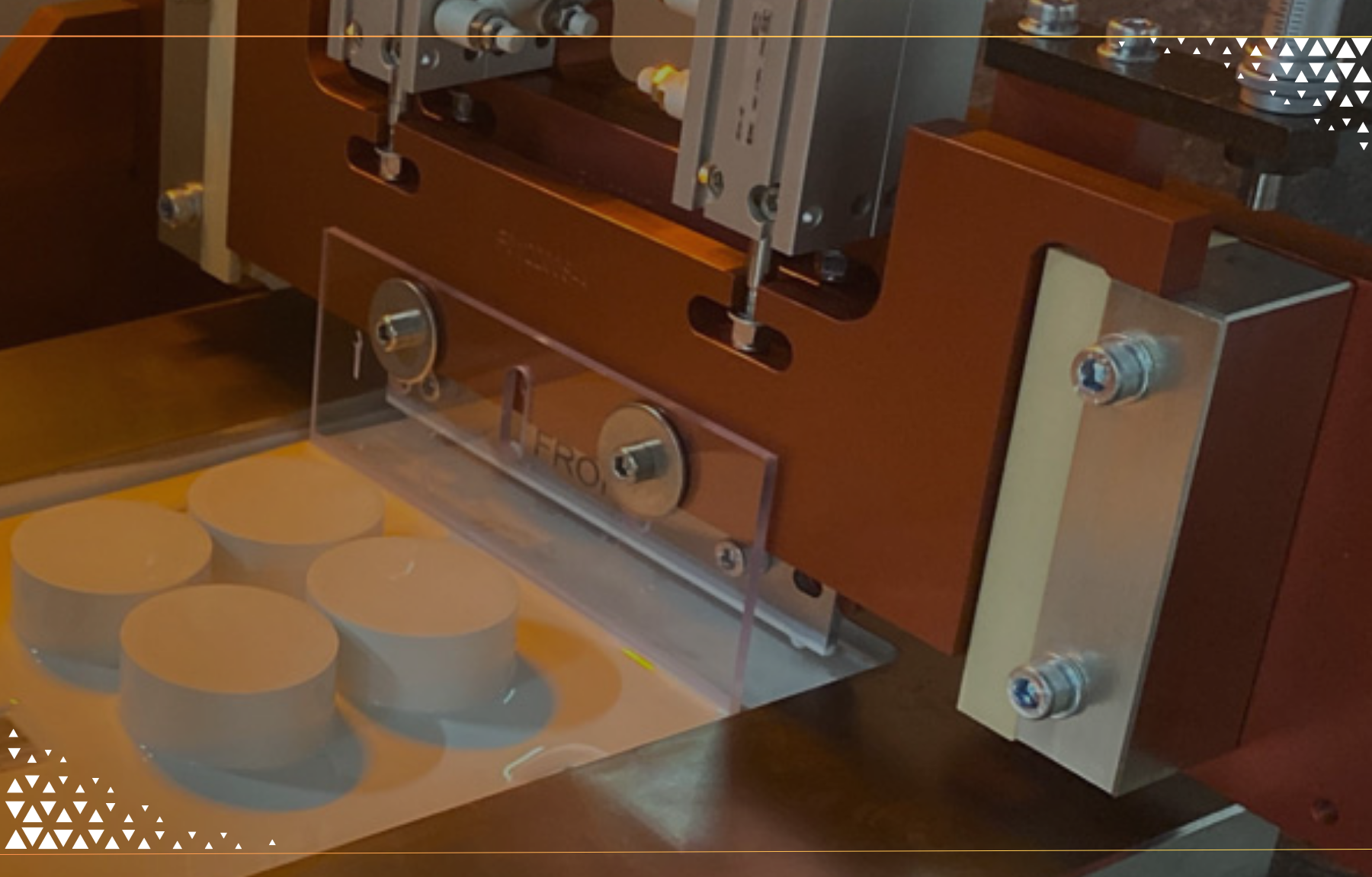
The landscape of manufacturing is continually reshaped by additive technologies, moving far beyond traditional polymers to engineer components with unprecedented properties. At the forefront of this evolution is ceramic 3D printing, a groundbreaking approach that leverages additive manufacturing principles to produce complex, high-performance parts from technical ceramics like alumina, zirconia, and silicon carbide, layer by meticulous layer.
Traditionally, manufacturing with ceramics relied on labor-intensive methods such as molding, pressing, and extensive machining. These processes often presented significant limitations, restricting geometric complexity, incurring high tooling costs, and leading to prolonged lead times and considerable material scrap for intricate components. In stark contrast, ceramic additive manufacturing excels at fabricating intricate internal channels, lattice structures, and miniaturized features that are often considered difficult, if not outright impossible, with conventional techniques.
This transformative capability unlocks a host of benefits, including extreme resistance to heat, wear, and corrosion, coupled with exceptional precision and unparalleled design customization. From advanced aerospace components and critical medical/dental devices to specialized electronics, energy systems, and high-performance 3D printing automotive parts, the applications are expanding rapidly. While conventional resin 3D printing (using materials like KS158T Transparent UV SLA Resin, KS158T Transparent UV SLA Resin, KS408A UV SLA Resin ) provides excellent surface finish and detail, ceramic 3D printing addresses the need for components that must endure environments far beyond what polymers can withstand, even those produced through high temp resin printing.
How Does It Work? The Super-Strong Recipe
Ceramic 3D printing is a specialized form of additive manufacturing that allows for the creation of intricate, high-performance ceramic parts layer by layer. Unlike traditional ceramic manufacturing methods that rely on molding, pressing, or machining, 3D printing overcomes limitations in geometric complexity and tooling costs. The process involves several critical stages, each designed to transform raw ceramic materials into dense, functional components with superior properties.
Core Process Steps in Ceramic Additive Manufacturing
At its heart, ceramic 3D printing follows a unique “recipe” that ensures the final product possesses the incredible strength, heat resistance, and chemical stability characteristic of technical ceramics.
1. Material Preparation: The Magic Goop
The journey begins with carefully prepared ceramic materials. Unlike polymers, ceramics are not typically printed directly from molten filaments. Instead, they are formulated into specific printable forms:
- Slurries, Pastes, or Resins: For technologies like vat photopolymerization and material extrusion, fine ceramic particles (such as alumina or zirconia) are uniformly dispersed in a photosensitive polymer resin or a binder. These ceramic-filled formulations are precisely engineered to have the right viscosity and curing properties, enabling them to be accurately deposited and solidified. The quality of these initial materials dictates much of the final part’s performance.
- Powders: Other processes, notably binder jetting, utilize fine ceramic powders. In these methods, the ceramic is supplied as a dry powder bed, which a binder is then selectively applied to create the green body.
2. Layer-by-Layer Shaping: Print the Shape
Once the material is prepared, the 3D printer takes over, building the desired object according to digital CAD data. This selective deposition or solidification occurs layer by tiny layer, allowing for geometries previously deemed impossible.
3. Debinding: Cleaning it Up
After printing, the “green body” is still a composite of ceramic particles and the organic binder or resin used during printing. This organic content must be removed before the final densification step. Debinding is a critical post-processing stage involving controlled heat treatment or solvent baths. The goal is to gently remove the binders without damaging the fragile green part, which could otherwise lead to cracks or defects during subsequent firing.
4. Sintering: The Final Bake!
The most transformative step is sintering. The debound ceramic part is fired at extremely high temperatures, often exceeding 1,500°C, in a specialized kiln. During sintering, the ceramic particles fuse together, densifying the material and giving the part its final mechanical and thermal properties. This process also causes the part to shrink considerably, a factor that designers must account for in the initial CAD model. The result is a near-fully dense ceramic component, ready for demanding applications.
Main Ceramic Additive Manufacturing Technologies
Several distinct 3D printing technologies are employed for ceramics, each offering specific advantages for different applications and material types.
- Vat Photopolymerization (SLA/DLP/LCM): This family of technologies utilizes a light source—either a laser (Stereolithography, SLA), a digital light projector (DLP), or a lithography-based ceramic manufacturing (LCM) system—to selectively cure layers of ceramic particles suspended in a photosensitive resin. Printers capable of high precision industrial SLA 3D printing, like C101 EASY LAB, are excellent for producing highly detailed and smooth ceramic parts. 3DCERAM specializes in high-precision ceramic additive manufacturing using laser stereolithography (SLA). This technology enables the production of complex ceramic components with exceptional accuracy, fine details, and excellent surface quality. By using ceramic-filled photopolymer resins that are selectively cured layer by layer with a laser, 3DCERAM’s process is well suited for manufacturing high-performance technical ceramics. The method is particularly effective for applications requiring tight tolerances and smooth finishes, making it ideal for demanding sectors such as aerospace, medical devices, and electronics. As a pioneer in ceramic laser stereolithography, 3DCERAM remains at the forefront of advanced ceramic 3D printing technology.
- Binder Jetting: In this process, an inkjet printhead precisely deposits a liquid binder onto thin layers of ceramic powder. This selectively binds the powder particles together to form each layer of the part. After printing, the “green” part is debound and then sintered to achieve full density. A significant advantage of binder jetting is its ability to print without requiring support structures, as the unfused powder supports the part. This makes it suitable for larger batch production and certain complex geometries using various ceramics like alumina, zirconia, and silicon carbide. For users interested in processes like metal binder jetting vs dmls, the ceramic binder jetting process shares some operational similarities, albeit with different materials and post-processing challenges.
- Material Extrusion / LDM (Liquid Deposition Modeling): Similar to FDM for plastics, this method involves extruding ceramic pastes or slurries through a nozzle, building up the part layer by layer. While it may offer less fine detail than vat photopolymerization, LDM is often employed for larger-scale ceramic objects or for more “craft” and industrial applications such as architectural elements, tiles, or specialized geopolymers. WASP’s ceramic 3D printers, for instance, are known for their capabilities in large-scale industrial applications.
- Other Technologies: Material jetting and various hybrid approaches are also under active research and development, continuously pushing the boundaries of ceramic additive manufacturing capabilities, often targeting specialized micro-features or unique material combinations.
Why is Ceramic 3D Printing So Awesome?
Ceramic 3D printing unlocks a powerful combination of additive manufacturing’s design freedom and the exceptional material properties of technical ceramics. This synergy results in components that are not only geometrically complex but also capable of performing reliably in environments where most other materials would fail.
- Extreme Temperature Resistance: One of the most compelling advantages of technical ceramics is their ability to withstand incredibly high temperatures without significant degradation. Unlike metals that soften or polymers that melt, 3D-printed ceramic parts maintain their structural integrity in extreme heat. This makes them indispensable for applications such as turbine components, engine parts, exhaust systems, and thermal protection shields in aerospace and high-performance industrial settings.
- Chemical Inertness and Corrosion Resistance: Ceramics are highly unreactive, rendering them immune to many corrosive chemicals and harsh environments. This property makes 3D-printed ceramic components ideal for chemical processing equipment, catalyst supports, advanced filtration membranes, and certain energy components where chemical attack would compromise metallic or polymeric parts.
- Exceptional Hardness, Wear Resistance, and Long Life: Technical ceramics are renowned for their superior hardness and abrasion resistance. These qualities translate directly into highly durable tools, long-lasting wear parts, and reliable nozzle and pump components. In demanding industrial and 3d printing automotive parts applications, ceramic components significantly extend operational lifespans compared to softer materials.
- Electrical Insulation and Dielectric Properties: Many technical ceramics are excellent electrical insulators, even at elevated temperatures. This makes them crucial for advanced electronics and semiconductor manufacturing, where they serve as substrates, insulators, and high-temperature components that prevent electrical conductivity and manage thermal loads.
- Low Thermal Expansion and Dimensional Stability: Ceramics typically exhibit very low coefficients of thermal expansion. This means they expand and contract minimally with temperature changes, providing exceptional dimensional stability. This characteristic is vital for precision optics, sensitive electronic devices, and parts that must maintain tight tolerances across a wide range of operating temperatures.
- Unprecedented Design Freedom and Miniaturization: Additive manufacturing fundamentally changes what’s possible in design. Ceramic 3D printing excels at creating intricate internal channels for optimized fluid flow or cooling, lightweight lattice structures, thin-walled components, and miniaturized features that are “difficult or impossible” to achieve with conventional manufacturing techniques like machining or molding. This capability pushes the boundaries of functional integration. This design freedom is often enhanced by smart CAD optimization programs, though that is a topic for another discussion, the foundational principles are crucial.
- Customization and Complexity at No Tooling Cost: One of the transformative aspects of 3D printing is the ability to produce highly customized and complex parts without the need for expensive, time-consuming tooling. This is particularly beneficial for patient-specific medical and dental components, custom industrial fixtures, or unique design goods, allowing for rapid iterations and tailored solutions. For businesses looking for rapid prototyping 3d printing solutions, this eliminates a major bottleneck.
- Rapid Prototyping and Small-Batch Production: Ceramic 3D printing significantly accelerates design iterations compared to traditional manufacturing workflows that require molds or specialized machining. This speed, combined with the absence of tooling costs, makes it highly economical for low-to-mid volume production of complex, high-value ceramic components. For specialized components or custom solutions, this approach provides immense flexibility.
- Material Efficiency and Reduced Waste: As an additive process, ceramic 3D printing inherently builds parts layer by layer, only using the material necessary for the final product. This contrasts sharply with subtractive machining, where a significant amount of material is cut away and becomes waste, leading to a more sustainable manufacturing approach.
These combined advantages make ceramic 3D printing a powerhouse for innovation, enabling new designs and functionalities across a wide spectrum of industries. However, understanding the specific types of ceramics and how they compare to other advanced materials is key to fully leveraging this technology.
Unlocking Potential: The Strategic Advantages of Ceramic 3D Printing
While we’ve touched upon the inherent strengths of ceramic components, the true transformative power of ceramic 3D printing lies in how it amplifies these qualities with the unparalleled design freedom of additive manufacturing. This synergy moves beyond simply creating robust parts; it enables the invention of components previously deemed impossible or uneconomical.
Consider the detailed capabilities that truly set this technology apart:
- Extreme Temperature Resistance: Technical ceramics possess an inherent ability to withstand searing temperatures without significant degradation, making them indispensable in extreme thermal environments. Unlike most plastics and many metals that deform or lose strength, 3D-printed ceramic parts maintain their structural integrity at temperatures exceeding 1000°C. This property is crucial for components within gas turbines, rocket engines, exhaust systems, and high-performance heat shields, where reliability under immense heat stress is paramount.
- Chemical Inertness and Corrosion Resistance: In harsh industrial settings, many materials succumb to aggressive chemical attack. Technical ceramics, however, are largely inert, making them ideal for applications requiring exposure to strong acids, bases, or other corrosive media. This leads to longer-lasting catalyst supports, filtration membranes, and specialized components for the chemical and energy industries, reducing downtime and replacement costs. For advanced applications requiring chemical resistance and thermal stability, materials like high-performance ceramic-filled resins, processed on a robust industrial SLA 3D printer such as the Nexa3D NXE400, can be instrumental in rapid prototyping or tooling.
- Exceptional Hardness and Wear Resistance: The high hardness of ceramics translates directly into superior abrasion and wear resistance. This characteristic extends the lifespan of critical components like nozzles, pump parts, cutting tools, and high-wear elements in automotive and industrial machinery, vastly outperforming traditional materials in abrasive conditions.
- Electrical Insulation and Dielectric Properties: Many technical ceramics are excellent electrical insulators and exhibit stable dielectric properties across a range of temperatures and frequencies. This makes them indispensable for electronics, semiconductors, and high-voltage applications, providing reliable performance in miniaturized circuits, sensor housings, and high-temperature electrical components.
- Low Thermal Expansion and Dimensional Stability: In applications demanding extreme precision, such as optical systems or certain electronic packages, maintaining tight tolerances through thermal cycling is critical. Ceramics offer low thermal expansion, ensuring dimensional stability even when subjected to significant temperature fluctuations.
- Unrivaled Design Freedom and Miniaturization: This is where additive manufacturing truly shines. Ceramic 3D printing allows for the creation of intricate internal channels, complex lattice structures, thin-walled geometries, and micro-features that are simply impossible to achieve with conventional manufacturing methods like machining or molding. This capability unlocks new levels of lightweighting, heat exchange efficiency, and functional integration.
- Customization and Complexity Without Tooling Costs: For patient-specific medical implants, custom industrial components, or unique design goods, the ability to produce highly complex, individualized parts without the prohibitive cost and lead time of dedicated tooling is a game-changer. This democratizes access to advanced ceramic components for specialized needs.
- Rapid Prototyping and Small-Batch Production: The agility of 3D printing significantly accelerates design iterations. For low to mid-volume production of complex, high-value ceramic parts, it offers a more economical and faster route compared to traditional methods, enabling quicker market entry and iterative product improvement.
- Material Efficiency and Reduced Waste: Additive processes inherently build parts layer-by-layer, consuming only the material necessary. This drastically reduces material waste compared to subtractive machining, contributing to more sustainable and cost-effective manufacturing.
Material Insights: Ceramics, High-Temp Resins, and Specialized Composites
The journey into ceramic 3D printing requires an understanding not just of the process, but of the specific materials that bring these incredible properties to life. Different applications demand different ceramic formulations, each with unique characteristics.
Key Technical Ceramics in Additive Manufacturing:
- Alumina (Al₂O₃): A workhorse in the technical ceramics family, alumina boasts high hardness, excellent wear resistance, and superb electrical insulation. It’s widely employed in electronics, robust mechanical components, and advanced filtration membranes due to its balanced properties.
- Zirconia (ZrO₂): Renowned for its exceptional strength and fracture toughness—uncommon for a ceramic—zirconia is a top choice for demanding applications. Its biocompatibility also makes it prevalent in dental restorations, such as crowns and bridges, and in various medical implants.
- Silicon Carbide (SiC / SiSiC): When thermal shock resistance, high-temperature strength, and supreme corrosion resistance are non-negotiable, silicon carbide stands out. It’s vital for lightweight structural components, parts exposed to extreme heat in engines and furnaces, and highly corrosive chemical or energy applications.
- Other Advanced Ceramics: The field is continually expanding with materials like Hydroxyapatite (for biocompatible bone implants), Cordierite (known for thermal shock resistance), and Silicon Nitride (offering high strength and toughness), each tailored for specific high-performance niches.
High-Temperature Resin Printing: A Complementary Approach
It’s important to distinguish ceramic 3D printing from other resin-based additive technologies. While standard resin 3D printing excels in producing parts with exceptional surface finish and fine detail, these parts typically have limited heat resistance and long-term mechanical stability.
This is where high temp resin printing enters as a valuable, complementary technology. These engineered photopolymer resins are designed to withstand significantly elevated temperatures compared to conventional resins. They are crucial for:
- Sacrificial Patterns and Tooling: High-temp resins can be used to create highly detailed molds, tooling, or sacrificial patterns that are then cast with ceramic slurries or used in indirect ceramic manufacturing processes. A prime example is using a castable SLA 3D printing resin to create intricate investment casting patterns, which can then be used to produce ceramic or metal parts.
- High-Temperature Prototyping: When quick design validation is needed for parts that will eventually be ceramic, high-temp resin prototypes offer a fast and economical way to test form and fit in conditions where standard resins would deform.
The fundamental difference lies in the final material: while high-temp resin prints offer enhanced thermal performance for a polymer, ceramic 3D printing yields components whose ultimate thermal, chemical, and mechanical properties are dictated by the sintered ceramic itself. This distinction is crucial, as sintered ceramics perform in environments where even the most advanced high-temp polymers cannot survive.
Diverse Applications: Where Ceramic 3D Printing Makes an Impact
The unique combination of ceramic properties and additive manufacturing’s design freedom is driving innovation across a multitude of industries, addressing challenges that traditional methods could not overcome.
Aerospace & Defense
In the demanding world of aerospace, ceramic 3D printing is creating components that can withstand the harshest operating conditions. This includes heat-resistant parts for engines, turbines, and rocket nozzles, along with thermal protection systems. Lightweight structural elements or functional parts with intricate internal cooling channels, often manufactured from silicon carbide or alumina, improve efficiency and extend operational life. High-precision sensors and insulating components that must function flawlessly in extreme environments also benefit from this advanced manufacturing technique. [SOURCE: https://global.kyocera.com/prdct/fc/technologies/019.html]
Biomedical & Dental
The ability to create patient-specific, biocompatible ceramic components is revolutionizing medicine. From custom bone implants and scaffolds using materials like hydroxyapatite to perfectly fitting dental crowns, bridges, and orthodontic components made from zirconia, ceramic 3D printing offers unparalleled precision and customization. It also enables the production of surgical tools and guides that can endure repeated sterilization processes while maintaining high dimensional accuracy.
Electronics & Semiconductors
Miniaturization and thermal management are constant challenges in electronics. Ceramic 3D printing delivers electrical insulators, dielectric components, and substrates that perform reliably at high temperatures. It’s crucial for fabricating miniaturized components and microstructures for advanced sensors, high-density microelectronic packaging, and radio frequency (RF) applications, where stable electrical properties under heat are essential.
Chemical, Process & Energy Industries
The chemical inertness and corrosion resistance of ceramics are highly valued here. 3D printing is enabling innovative designs for advanced filtration membranes and porous structures, such as intricate alumina membranes that promise higher throughput and lower energy consumption in chemical separation processes. It also produces catalyst supports with optimized high-surface-area structures for chemical reactors, high-temperature heat exchangers, and burner components in silicon carbide for demanding applications, as well as components for fuel cells and batteries requiring exceptional thermal and chemical stability.
Automotive and Mobility
The automotive sector is increasingly leveraging 3D printing automotive parts to enhance performance and durability. Ceramic 3D printing is particularly relevant for components operating near or within engine, exhaust, and brake systems, where extreme heat, wear, or corrosion are critical factors. This includes specialized exhaust components, heat shields, sensor housings, and high-wear valves or nozzles. It also contributes to insulating components for electric vehicles (EVs) and power electronics, and specialized tooling and jigs in manufacturing settings, offering rapid production of wear-resistant fixtures and forming tools with long operational lives.
Consumer Goods & Design
Beyond industrial applications, ceramic 3D printing is making its mark in consumer goods and artistic design. It allows for the creation of custom luxury goods, intricate art pieces, and high-end decor or tableware with complex shapes that benefit from the aesthetic appeal and durability of ceramics. Extrusion-based ceramic 3D printers are even used for large-scale design objects, architectural facades, and custom tiles, opening new avenues for creativity in interior and exterior design.
Ceramic 3D Printing vs. 3D Printing Carbon Fiber: A Key Distinction
It’s important to understand where ceramic 3D printing fits in comparison to other high-performance additive manufacturing methods, especially 3D printing carbon fiber.
- 3D-printed carbon fiber composites offer exceptional strength-to-weight ratios and stiffness, making them ideal for structural, lightweight components in applications where traditional metals are too heavy. They excel in aerospace frames, high-performance automotive parts, and sporting goods, but their performance is typically limited at very high temperatures and in certain corrosive or oxidative environments.
- 3D-printed ceramics, on the other hand, truly shine where extreme temperature, wear, and chemical resistance are paramount. While often more brittle and denser than carbon fiber composites, ceramics are the material of choice for hot zones, aggressive chemical media, and high-voltage electrical insulation. They occupy a distinct niche where thermal and chemical extremes outweigh the need for impact toughness or ultimate lightweighting. Both technologies offer remarkable strength-to-weight, but ceramics excel where the environment is too hostile for polymer-based composites.
Challenges and the Future Horizon
Despite its immense promise, ceramic 3D printing is still a developing field with its own set of challenges, though rapid advancements are continually pushing its boundaries.
Current Hurdles:
- Material and Process Cost: High-quality ceramic powders, specialized slurries, and resins are inherently more expensive than many plastic or metal equivalents. The sophisticated equipment and specialized expertise required for both printing and post-processing add to the overall cost, especially for smaller businesses.
- Post-Processing Complexity: The debinding and sintering steps are critical and delicate. Achieving a fully dense, defect-free final part requires precise control of temperature ramps and atmospheres to avoid cracking, warping, or other flaws. The significant shrinkage that occurs during sintering also complicates dimensional accuracy, requiring advanced design compensation.
- Brittleness and Toughness: Inherently, technical ceramics are brittle compared to metals or fiber-reinforced polymers. This limits their use in applications requiring high impact resistance or where sudden, unforeseen stresses might occur. Improving toughness without compromising other properties remains a key research area.
- Scalability for Mass Production: While leading companies like Lithoz and 3DCERAM are making strides in automated solutions and serial production capabilities, large-scale, cost-effective mass manufacturing, comparable to injection molding for plastics, is still evolving.
- Design and Expertise Gap: Fully leveraging the capabilities of ceramic AM requires a specialized design philosophy. Engineers must learn to “design for ceramic AM,” accounting for factors like support structures, sintering shrinkage, part orientation, and microstructural considerations to unlock its full potential.
The Future Directions are Bright:
The future of ceramic 3D printing is characterized by relentless innovation, addressing current limitations and expanding its reach:
- Improved Materials and Hybrid Composites: Research is focused on developing new ceramic formulations with enhanced toughness, reduced sintering times, and minimal shrinkage. The emergence of ceramic-polymer or ceramic-metal composites also promises to combine the best attributes of different material classes.
- Process Automation and Serial Production: Expect to see more integrated, automated printer farms, sophisticated in-line quality control systems, and streamlined debinding and sintering workflows. These advancements are specifically targeting the requirements of industrial serial production, making ceramic AM more accessible and efficient.
- Broader Sector Adoption: As standards develop, design data accumulates, and successful case studies become more prevalent, expect to see accelerated adoption in energy, advanced mobility, and medical devices. This expanding validation will drive further investment and innovation.
- Deeper Integration with Digital Design: Advanced software, including topology optimization and generative design, will be increasingly used to create ceramic-only geometries. These designs are meticulously optimized for specific functions like heat transfer, fluid flow, or dielectric behavior—geometries that are only manufacturable through additive processes.
Conclusion
Ceramic 3D printing stands as a transformative technology, masterfully blending the inherent design freedom of additive manufacturing with the extraordinary performance characteristics of technical ceramics. This synergy enables the creation of intricate, high-precision components engineered to thrive in environments where traditional materials—and even conventional ceramics—simply fail. From complex internal channels to micro-scale features, these parts offer unparalleled resistance to extreme temperatures, harsh chemicals, and abrasive wear, along with exceptional electrical insulation and dimensional stability.
This unique combination of capabilities is rapidly unlocking groundbreaking innovations across diverse sectors. Aerospace and defense leverage ceramic AM for critical heat-resistant engine components, while the biomedical field benefits from patient-specific implants and dental restorations. Electronics and semiconductors rely on it for advanced dielectric parts, and the energy, chemical, and automotive industries utilize its durability for high-performance fluid handling and protection from extreme conditions. Even consumer goods and high-end design are being reimagined through ceramic 3D printing’s aesthetic and functional potential.
While challenges such as material cost, post-processing requirements, and the inherent brittleness of ceramics remain, the outlook for ceramic 3D printing continues to strengthen. Ongoing advancements in high-performance ceramic slurries and process optimization are expanding what is possible with additive manufacturing. When combined with industrial laser stereolithography systems developed by 3DCERAM, these material innovations enable the precise, repeatable production of complex ceramic components. Increasing levels of automation across printing, debinding, and sintering workflows are helping to improve scalability and reduce overall production costs. As a result, ceramic additive manufacturing with 3DCERAM printers is steadily evolving from a specialized technology into a reliable manufacturing solution for high-value applications in aerospace, medical, electronics, and other demanding industries.
Frequently asked questions
What is ceramic 3D printing?
Ceramic 3D printing is an advanced manufacturing method that builds complex, high-performance ceramic parts layer by layer from digital designs. Unlike traditional ceramics that use molds or machining, this process allows for incredibly intricate geometries, internal channels, and lightweight lattice structures. It produces parts with extreme heat, wear, and chemical resistance that are often impossible to create with conventional methods.
How is ceramic 3D printing different from regular resin 3D printing?
While both use additive manufacturing principles, the core difference lies in the final material and properties. Regular resin 3D printing (like using a high-precision Nexa3D NXE400 with materials such as Nexa3D XGPP Gray Resin) produces polymer parts excellent for detail and prototyping but with limited thermal and mechanical strength. Ceramic 3D printing, however, starts with ceramic-filled resins or powders, which are then debound and sintered at very high temperatures. This intense post-processing transforms the printed "green body" into a dense, fully ceramic component with the inherent strength and extreme properties of technical ceramics, far exceeding what polymers can offer.
What are the main advantages of using ceramic 3D printing?
The biggest benefits stem from the unique properties of technical ceramics combined with additive manufacturing's design freedom. This includes: Extreme temperature resistance, allowing parts to function in environments where metals would melt. Exceptional wear and chemical resistance, ideal for harsh industrial conditions. Electrical insulation and dielectric properties, crucial for electronics. Biocompatibility for medical applications. Unprecedented design freedom, enabling complex geometries and miniaturization not possible with traditional methods.
What types of ceramic materials are commonly used?
Several technical ceramics are prominent in 3D printing, each with distinct advantages: Alumina (Al₂O₃): Known for its high hardness, wear resistance, and excellent electrical insulation. Zirconia (ZrO₂): Valued for its high strength and fracture toughness, often used in dental and medical implants. Silicon Carbide (SiC): Offers exceptional thermal shock resistance, high-temperature strength, and corrosion resistance for demanding energy and chemical applications. Other specialized ceramics like hydroxyapatite are also used for specific biomedical purposes.
How do high temp resins compare to 3D printed ceramics?
High temp resin printing uses specialized photopolymer resins (like Nexa3D XCE Black Resin or Nexa3D XCE White Resin) that can withstand elevated temperatures better than standard resins. These are useful for high-temperature tooling, molds, or prototypes where standard plastics would deform. However, even the best high-temp resins are still polymers, which means their thermal and mechanical limits are far below those of sintered ceramic parts. High-temp resins can sometimes create sacrificial molds (e.g., using a resin like Nexa3D xCast Resin for investment casting patterns) which are then used to produce ceramic or metal parts indirectly.
Where is ceramic 3D printing having the biggest impact?
This technology is transformative across several high-stakes industries: Aerospace & Defense: For heat-resistant engine components, nozzles, and thermal protection systems. Biomedical & Dental: Creating custom implants, prosthetics, and dental crowns with superior biocompatibility and strength. Electronics & Semiconductors: Producing electrical insulators, dielectric components, and miniaturized parts that tolerate high temperatures. Automotive: Manufacturing specialized 3D printing automotive parts like exhaust components, heat shields, and sensor housings that withstand extreme conditions. Chemical & Energy: For advanced filtration membranes, catalyst supports, and high-temperature heat exchangers.
Is ceramic 3D printing suitable for mass production?
Currently, ceramic 3D printing is primarily used for prototyping, small-batch production, and highly customized, high-value parts. The multi-step process, especially the precise debinding and sintering, requires careful control and specialized equipment, making large-scale mass production more complex and costly than for plastics or some metals. However, advances in automation, material development, and integrated workflows are rapidly moving the technology towards more scalable industrial serial production for specific demanding applications.
How does 3D printing carbon fiber compare to ceramic 3D printing?
Both offer advanced performance, but they excel in different areas. 3D printing carbon fiber produces parts with exceptional strength-to-weight ratios and stiffness, making them ideal for structural, lightweight applications that need high rigidity but aren't typically exposed to extreme temperatures or highly corrosive chemicals. 3D printed ceramics, on the other hand, are the champions of extreme environments, offering superior resistance to incredibly high temperatures, harsh chemicals, and wear, even if they tend to be more brittle than carbon fiber composites. The choice depends entirely on the specific application's demands.
Have a question or a project? Let’s talk.
Tell us what you need — a real applications engineer replies within 24 hours. NDA standard, no sales script.